Bruschetta is one of those simple yet irresistible dishes that instantly elevates any gathering. With its crispy toasted bread topped with vibrant tomatoes, fresh basil, and a drizzle of olive oil, it’s a perfect blend of textures and flavors.
What’s great is how versatile it is—whether as a quick snack or an elegant appetizer, it never disappoints. Plus, making bruschetta at home allows you to customize the toppings to your liking, adding a personal touch.
If you’ve been curious about crafting this classic Italian treat yourself, you’re in the right place. Let’s dive in and discover exactly how to make the perfect bruschetta!
Choosing the Right Bread for Crispy Perfection
Why Bread Selection Matters
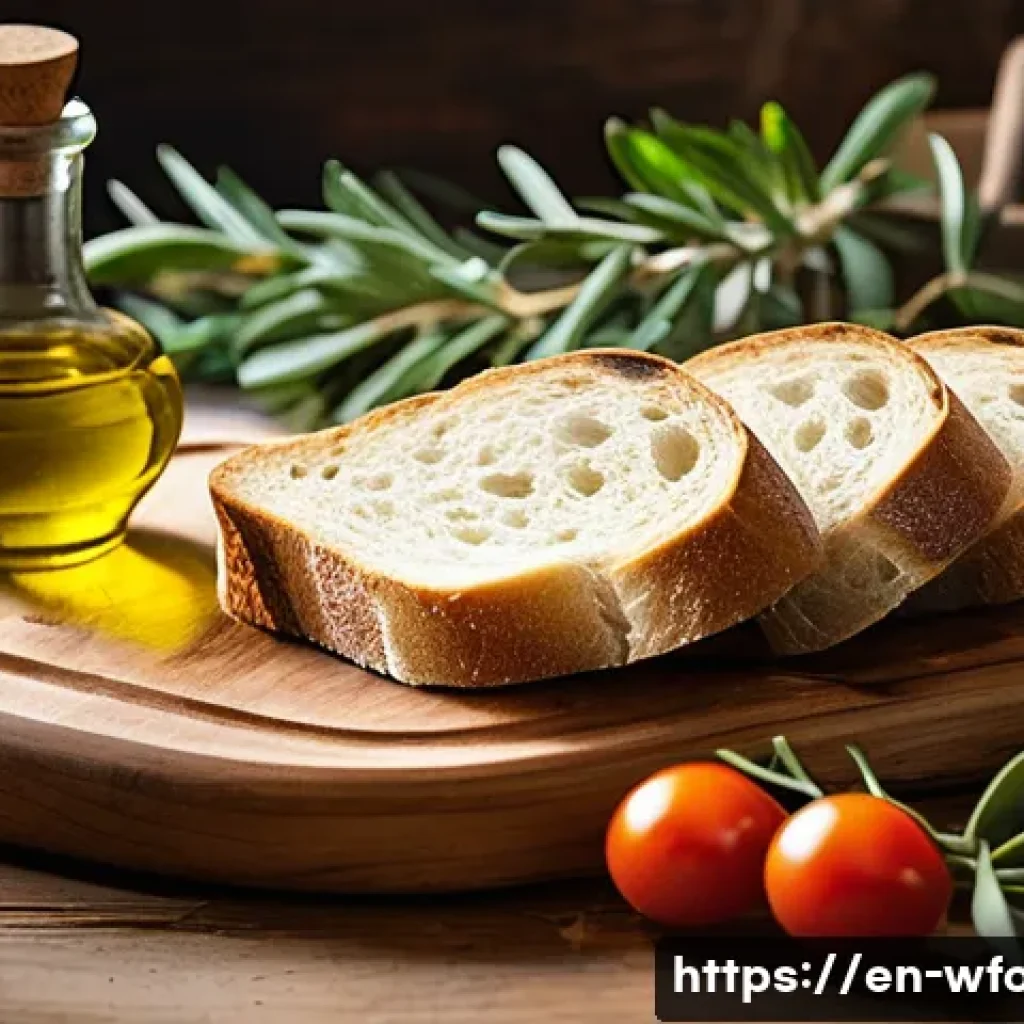
When it comes to bruschetta, the bread is your foundation, so picking the right kind can make or break the dish. I’ve tried everything from plain white sandwich bread to hearty sourdough, and honestly, the best results come from a rustic, crusty loaf like a baguette or ciabatta.
These breads have a dense crumb and a firm crust that holds up well to toasting and the juicy tomato topping without getting soggy too quickly. It’s all about that satisfying crunch paired with a chewy inside that balances the fresh ingredients perfectly.
Tips for Toasting Your Bread
I like to toast my slices until they’re golden brown but not burnt, which usually takes about 2-3 minutes per side on a grill pan or under the broiler.
If you want to add a smoky flavor, a quick char on a grill works wonders. Another trick I picked up is rubbing the toasted bread lightly with a cut clove of garlic while it’s still warm—that extra punch of garlic aroma is subtle but elevates the whole experience.
Don’t skip the olive oil drizzle either; it helps the bread stay moist and adds that signature Mediterranean richness.
Storing and Preparing Bread in Advance
If you’re prepping bruschetta for a party, toasting the bread ahead of time is totally doable. Just cool it completely and store in an airtight container to keep that crunch intact.
Reheating in a toaster or oven for a minute or two before serving refreshes the texture. One thing I learned the hard way is to avoid stacking toasted slices, as they’ll steam each other and lose their crispness.
Spread them out on a tray and cover loosely with foil if needed.
Mastering the Tomato Mixture
Choosing Tomatoes for Maximum Flavor
The tomatoes are the star of the bruschetta topping, so picking ripe, flavorful ones is key. I usually go for vine-ripened Roma or cherry tomatoes because they’re juicy but not overly watery, which helps keep the bread from getting soggy too fast.
In the summer months, heirloom tomatoes add a beautiful color and complexity to the dish. When chopping, try to keep the pieces roughly uniform to ensure every bite has a good balance of tomato, basil, and oil.
Balancing Fresh Herbs and Seasonings
Fresh basil is a classic choice, but I’ve also experimented with mint or parsley for a unique twist. The key is to chop herbs finely and mix them gently with the tomatoes to release their aroma without turning the topping mushy.
Don’t forget a pinch of salt and freshly ground black pepper to bring out the natural sweetness of the tomatoes. A splash of balsamic vinegar or a squeeze of lemon juice can add a lovely tangy brightness if you want to tweak the flavor profile.
How to Prepare Tomato Mixture Ahead of Time
Making the tomato topping an hour before serving lets the flavors meld beautifully. I store it in the fridge, covered, but always bring it back to room temperature before plating because cold tomatoes can dull the flavors.
If you find the mixture gets watery, draining excess liquid before topping the bread helps maintain the perfect texture. In my experience, this step is crucial to avoid soggy bruschetta and keep each bite fresh and vibrant.
Exploring Creative Toppings Beyond the Classic
Cheese and Spread Options
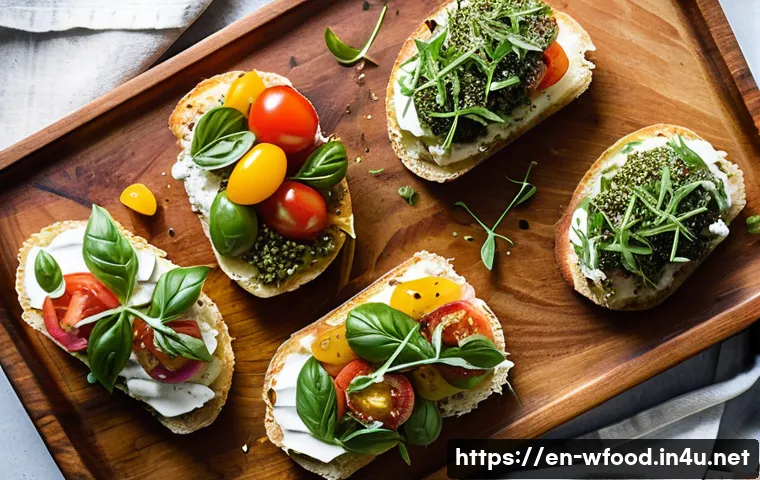
While the traditional bruschetta shines with just tomatoes and basil, adding cheese can turn it into something extraordinary. Fresh mozzarella or burrata pairs wonderfully, adding creaminess that contrasts with the crunchy bread and tangy tomatoes.
Goat cheese or ricotta also work well, especially when spread thinly as a base layer before piling on the tomato mixture. For a richer flavor, a smear of pesto or tapenade underneath can add a savory depth that surprises guests.
Incorporating Vegetables and Proteins
Want to make your bruschetta a bit heartier? Grilled zucchini, roasted red peppers, or even thinly sliced avocado bring extra texture and nutrition. I’ve also enjoyed topping mine with crispy pancetta or smoked salmon for a more substantial appetizer.
These options turn bruschetta from a simple snack into a mini-meal without losing that fresh, summery vibe. The key is to keep the toppings light and balanced so they don’t overwhelm the bread’s crunch or the tomato’s juiciness.
Seasonal and International Variations
Bruschetta is incredibly adaptable, so don’t hesitate to experiment with seasonal ingredients. In the fall, roasted butternut squash with sage makes a cozy twist, while in spring, peas and mint create a fresh burst of flavor.
For a global touch, I’ve tried toppings inspired by Mediterranean or Middle Eastern flavors, like feta cheese with olives or labneh with za’atar, which add exciting new layers without straying too far from the dish’s essence.
Essential Olive Oil and Finishing Touches
Choosing High-Quality Olive Oil
I can’t stress enough how much the olive oil influences the final flavor of bruschetta. Using a high-quality extra virgin olive oil with fruity, grassy notes adds a luxurious depth that simple cooking oils just can’t match.
When I first started making bruschetta, I underestimated this, but once I switched to a good EVOO, the difference was night and day. It’s worth investing in a bottle from a reputable producer, especially if you’re making bruschetta often or serving it to guests.
Drizzling and Garnishing Tips
A light drizzle of olive oil just before serving not only adds moisture but also helps the toppings shine visually. I like to finish with a sprinkle of flaky sea salt and freshly ground black pepper for that perfect seasoning balance.
For extra flair, a few shavings of Parmesan or a pinch of chili flakes can add unexpected bursts of flavor. Fresh basil leaves or microgreens placed on top provide a beautiful, fresh look that elevates the presentation instantly.
Storing Leftovers and Serving Suggestions
If you happen to have leftovers, storing bruschetta components separately is best: keep the tomato mixture refrigerated and the toasted bread at room temperature in an airtight container.
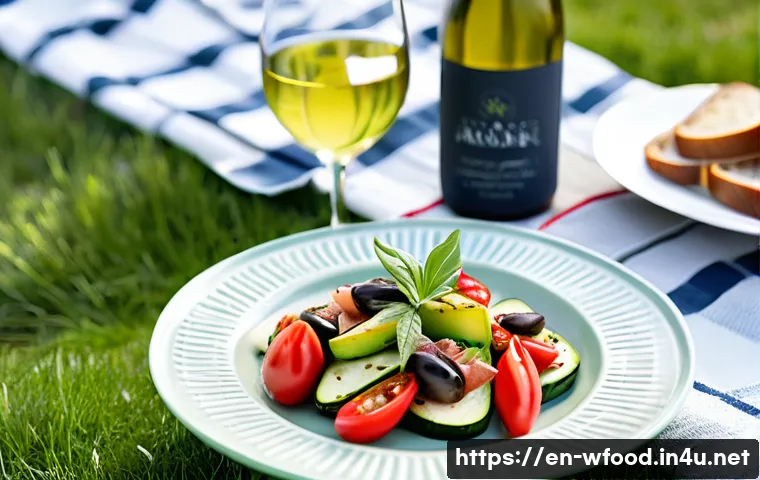
Assemble just before eating to preserve the crunch. Bruschetta pairs beautifully with a crisp white wine or light rosé, making it a fantastic choice for summer gatherings.
I’ve found that serving it alongside a simple green salad or charcuterie board rounds out the meal perfectly.
Understanding the Nutritional Benefits of Bruschetta
Key Nutrients in Each Ingredient
Bruschetta isn’t just delicious—it also packs some solid nutritional benefits thanks to its fresh ingredients. Tomatoes are rich in vitamins C and K, potassium, and antioxidants like lycopene, which supports heart health.
Basil contributes vitamin A and has anti-inflammatory properties, while olive oil is a great source of healthy monounsaturated fats that can help reduce bad cholesterol.
When you add toppings like mozzarella or avocado, you’re also getting protein and beneficial fats, making bruschetta a balanced snack or appetizer.
Calorie Breakdown and Portion Control
Because bruschetta is typically served in small portions, it’s relatively low in calories, making it a guilt-free indulgence. A single slice of toasted bread with tomato topping usually ranges from 70 to 120 calories depending on the amount of olive oil and cheese used.
If you’re watching your intake, you can easily control the portion size or swap out bread for lower-carb alternatives like cucumber slices. Keeping an eye on oil quantity also helps maintain a healthy calorie count without sacrificing flavor.
Comparing Bruschetta to Other Appetizers
Compared to heavier starters like fried finger foods or creamy dips, bruschetta stands out as a lighter, fresher option that won’t weigh you down before the main course.
It offers a satisfying crunch and complex flavors without excess saturated fat or processed ingredients. This makes it a smart choice for health-conscious hosts who want to impress guests with something tasty yet wholesome.
Below is a quick comparison table highlighting bruschetta’s nutritional edge over common appetizers:
| Appetizer | Calories (per serving) | Fat (g) | Key Nutrients | Typical Serving Size |
|---|---|---|---|---|
| Classic Tomato Bruschetta | 90 | 5 (mostly healthy fats) | Vitamin C, antioxidants, healthy fats | 1 slice (about 30g) |
| Fried Mozzarella Sticks | 220 | 15 (saturated fats) | Calcium, protein | 3 sticks (about 80g) |
| Spinach Artichoke Dip | 180 | 12 (mostly saturated fats) | Iron, calcium | 1/4 cup (about 60g) |
| Stuffed Mushrooms | 150 | 8 (varies) | Fiber, B vitamins | 3 pieces (about 70g) |
Perfect Pairings: Drinks and Side Dishes to Complement Bruschetta
Wine and Beverage Recommendations
Bruschetta’s bright and fresh flavors call for drinks that complement rather than overpower. I’ve found that crisp white wines like Sauvignon Blanc or Pinot Grigio pair beautifully, as their acidity cuts through the richness of olive oil and cheese.
For rosé lovers, a dry, light rosé works equally well, adding a fruity balance. If you prefer non-alcoholic options, sparkling water with a splash of lemon or a light herbal iced tea complements the herbal notes without clashing.
Side Dishes to Round Out Your Menu
Serving bruschetta alongside a variety of light sides turns a simple appetizer into a well-rounded meal. A mixed green salad with a tangy vinaigrette adds freshness and crunch, while a bowl of marinated olives or roasted nuts offers savory contrast.
For a more substantial spread, a charcuterie board with cured meats, cheeses, and fresh fruit pairs wonderfully, creating a relaxed, social vibe perfect for entertaining friends or family.
Seasonal and Themed Serving Ideas
Tailoring your bruschetta and pairings to the season can make your gathering feel extra special. In warmer months, think fresh, citrusy drinks and light salads, while cooler seasons call for heartier sides like roasted vegetables or warm soups.
For themed occasions, such as Italian night, adding classic antipasto items like prosciutto and grilled artichokes alongside bruschetta creates an authentic experience.
I’ve found that these thoughtful touches make guests feel cared for and elevate the entire meal.
In Conclusion
Bruschetta is a delightful blend of simple, fresh ingredients that come together to create a dish bursting with flavor and texture. Choosing the right bread, balancing the tomato topping, and adding creative twists elevate this classic appetizer. With a little preparation and attention to detail, you can impress guests or enjoy a satisfying snack any time. Remember, the best bruschetta reflects your personal taste and creativity.
Useful Tips to Keep in Mind
1. Always opt for rustic, crusty bread like baguette or ciabatta to maintain a perfect crunch that holds up to toppings.
2. Toast bread slices just right—golden brown but not burnt—and rub with garlic for an aromatic boost.
3. Use ripe, firm tomatoes like Roma or cherry to avoid sogginess and ensure vibrant flavor.
4. Prepare the tomato mixture ahead of time and bring it to room temperature before serving to maximize taste.
5. Pair bruschetta with crisp white wines or light rosé, and consider simple sides like mixed greens or olives for a balanced experience.
Key Takeaways for Perfect Bruschetta
Choosing the right bread is crucial for texture and durability, while fresh, well-seasoned tomatoes form the heart of the topping. Don’t hesitate to experiment with cheeses, herbs, and seasonal ingredients to personalize your bruschetta. Quality olive oil and thoughtful garnishes enhance both flavor and presentation. Lastly, proper storage and serving techniques keep your bruschetta crisp and fresh, ensuring a delicious bite every time.
Frequently Asked Questions (FAQ) 📖
Q: What type of bread works best for making bruschetta?
A: The ideal bread for bruschetta is a sturdy, crusty loaf like a baguette or a rustic Italian bread. These breads hold up well when toasted and topped with juicy tomatoes and olive oil without becoming soggy.
I’ve found that slicing the bread about half an inch thick and toasting it until golden and slightly crisp gives the best texture contrast. Avoid soft sandwich breads since they tend to get mushy quickly.
Q: Can I prepare bruschetta toppings in advance?
A: Absolutely! Preparing the tomato mixture a few hours ahead actually helps the flavors meld together beautifully. Just be sure to keep it refrigerated and add the fresh basil right before serving, as it can wilt and lose its vibrant color if mixed too early.
Toast the bread just before serving to keep it crisp and fresh. This approach saved me so much time when hosting last-minute get-togethers.
Q: Are there any good variations or additional toppings to try on bruschetta?
A: Definitely! While classic tomato, basil, and olive oil is a winner, I love experimenting with toppings. Adding fresh mozzarella or a sprinkle of Parmesan cheese adds a creamy twist.
You can also try roasted red peppers, sautéed mushrooms, or even a drizzle of balsamic glaze for a tangy kick. For a heartier option, prosciutto or avocado slices work wonders.
The beauty of bruschetta is its flexibility—you can easily customize it to suit any taste or occasion.