When it comes to food preparation, following proper recipes is more than just a matter of taste—it’s about ensuring safety and quality from start to finish.

This is where HACCP, the Hazard Analysis and Critical Control Points system, plays a crucial role in preventing foodborne illnesses by identifying and controlling potential hazards.
Whether you’re a home cook or a professional chef, understanding these standards can elevate your kitchen practices and protect your customers or family.
I’ve personally seen how integrating HACCP guidelines can transform food handling into a safer, more efficient process. Let’s dive deeper into the essentials of recipe preparation and HACCP standards so you can cook with confidence and peace of mind!
Mastering Ingredient Selection for Safe and Flavorful Meals
Prioritizing Freshness and Source Verification
When shopping for ingredients, it’s tempting to grab whatever looks good or is on sale. But I’ve learned that taking a moment to verify the freshness and source of your ingredients dramatically improves both safety and taste.
For example, choosing seafood from reputable suppliers who maintain cold chains ensures that harmful bacteria don’t sneak into your kitchen. Similarly, inspecting produce for bruises or signs of spoilage helps avoid introducing contaminants.
I personally always check expiration dates and prefer local farmers’ markets when possible because the shorter the time from farm to table, the safer and fresher the food tends to be.
This little extra effort upfront pays off big in the final dish’s quality and safety.
Understanding Cross-Contamination Risks
Cross-contamination is a silent kitchen hazard that can turn a delicious meal into a dangerous one. From my experience, one of the easiest ways to prevent this is by clearly separating raw and cooked foods during shopping, storage, and preparation.
Using color-coded cutting boards and designated utensils for meats, vegetables, and ready-to-eat items is a game-changer. For instance, I keep a red board exclusively for raw meats and a green one for veggies, which drastically reduces the risk of harmful pathogens mixing.
Additionally, washing hands thoroughly between handling different ingredients is essential. It’s a simple habit that can save you and your loved ones from foodborne illnesses.
Proper Storage Practices to Maintain Safety
Storing ingredients correctly is just as important as selecting them. I’ve noticed that many home cooks underestimate how crucial temperature control is.
Perishable items like dairy, meats, and seafood must be stored at temperatures below 40°F (4°C) to prevent bacterial growth. Leftovers and prepped ingredients need airtight containers to avoid exposure to air and moisture, which can accelerate spoilage.
Labeling containers with preparation dates has been a lifesaver in my kitchen, helping me track freshness and avoid accidental use of expired items. Taking a few extra minutes to organize your fridge and pantry can mean the difference between a safe meal and a health hazard.
Streamlining Preparation Steps for Consistency and Safety
Implementing Time-Temperature Controls
One of the trickiest parts of recipe preparation is managing cooking times and temperatures accurately. From my trials, using a reliable food thermometer is non-negotiable.
Even when a recipe says “cook until done,” relying on visual cues alone can be misleading. For example, poultry must reach an internal temperature of 165°F (74°C) to ensure all pathogens are eliminated.
I once had a batch of chicken that looked perfectly cooked but was under the safe temperature, which taught me to always double-check. Adhering to proper time-temperature combinations not only guarantees food safety but also preserves texture and flavor.
Sanitation Habits That Save the Day
Sanitation might sound boring, but I can’t stress enough how it elevates kitchen safety. Cleaning surfaces and utensils between each step prevents bacteria from spreading.
I always keep a dedicated sanitizer spray nearby and wipe down counters frequently, especially after handling raw ingredients. My rule of thumb is to treat every surface as potentially contaminated until it’s properly cleaned.
This mindset prevents cross-contamination and keeps the entire kitchen environment hygienic. Trust me, it’s worth the small effort when you avoid that unsettling stomach bug after a meal.
Maintaining Proper Documentation for Accountability
Keeping track of preparation steps, ingredient sources, and cooking parameters is often overlooked but is critical, especially in professional kitchens.
I started jotting down temperatures, times, and any deviations from the recipe, which helped me identify patterns whenever something went wrong. This habit also supports transparency if you’re cooking for others and want to demonstrate your commitment to food safety.
Whether it’s a simple checklist or a detailed log, documentation fosters accountability and continuous improvement in your cooking routine.
Decoding Critical Control Points to Minimize Hazards
Identifying Key Moments for Intervention
Critical control points (CCPs) are the spots in your cooking process where things can go wrong if not carefully managed. I find that mapping out these points before starting helps me stay vigilant.
For instance, thawing frozen meat at room temperature is a common mistake that allows bacteria to multiply rapidly; instead, I thaw it safely in the fridge or under cold running water.
Cooking and cooling steps are also crucial CCPs where timing and temperature must be spot-on. By focusing attention on these critical moments, you’re proactively preventing hazards rather than reacting after a problem arises.
Using Technology to Monitor Safety Parameters
Technology can be a big help when it comes to maintaining HACCP standards. In my kitchen, I use digital thermometers, timers, and even apps that log cooking temperatures and alert me if something is off.
These tools reduce human error and provide data that can be reviewed later for quality control. For professional chefs, investing in HACCP-compliant software systems can automate monitoring and documentation, saving time and increasing reliability.
Even for home cooks, simple gadgets make a huge difference in consistently delivering safe meals.
Training and Awareness for Everyone in the Kitchen
HACCP isn’t just about procedures; it’s about people understanding why those procedures matter. I’ve noticed that when everyone involved—from sous chefs to home helpers—knows the critical control points and their role in maintaining them, the kitchen runs smoother and safer.
Regular training sessions or casual reminders about hygiene, proper cooking temperatures, and storage guidelines build a culture of safety. This shared responsibility prevents lapses and encourages teamwork, ensuring that no shortcut compromises the meal’s safety.
Ensuring Cleaning and Maintenance Enhance Food Safety
Routine Cleaning Schedules That Work
Creating and sticking to a cleaning schedule is vital in keeping your kitchen safe. I make it a habit to clean high-touch surfaces like handles, switches, and prep tables multiple times a day.
Deep cleaning of appliances, floors, and storage areas happens weekly to avoid buildup of grime and bacteria. It’s easy to overlook these details when you’re busy, but consistent cleaning reduces contamination risks dramatically.
In professional settings, documented cleaning logs are often required, but even at home, a simple checklist can keep you accountable.
Sanitizing Tools and Equipment Properly
Not all cleaning is created equal. I learned that sanitizing tools like knives, cutting boards, and mixers is essential because bacteria can hide in crevices.
Using hot water and appropriate sanitizers after each use, especially when switching between raw and cooked foods, is a must. I also replace cutting boards periodically because worn surfaces become breeding grounds for germs.
This diligence in tool maintenance keeps your kitchen environment safe and your food free from cross-contamination.
Maintaining HVAC and Ventilation Systems
Proper ventilation might not be the first thing on your mind when thinking about food safety, but it plays a subtle role in controlling airborne contaminants and moisture levels.
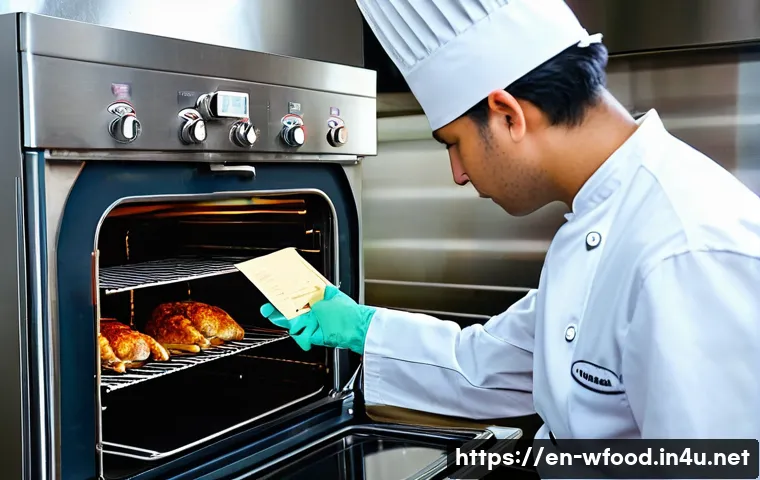
In my experience, well-maintained HVAC systems prevent mold growth and improve air quality, which indirectly supports a hygienic kitchen. Regular filter changes and cleaning ducts should be part of your maintenance routine.
For commercial kitchens, ventilation systems must comply with strict regulations to ensure safe working environments and food preparation areas.
Recognizing the Role of Staff Hygiene in Food Preparation
Handwashing Techniques That Really Work
I can’t overstate how critical proper handwashing is in preventing foodborne illnesses. It’s not just about splashing water; it’s about scrubbing with soap for at least 20 seconds, covering all parts of your hands and wrists.
In my kitchen, I remind everyone to wash hands before handling food, after touching raw ingredients, and after any interruption like using the restroom or handling garbage.
Hand sanitizers are helpful but never a substitute for thorough washing. This simple routine is one of the most effective barriers against contamination.
Appropriate Use of Gloves and Protective Gear
Wearing gloves might seem like a straightforward safety measure, but if used improperly, they can cause more harm than good. I’ve seen cases where gloves were worn for hours without changing, which leads to bacteria buildup.
Changing gloves between tasks and never touching face or phone while wearing them is essential. Additionally, hairnets, aprons, and masks can further reduce contamination risks, especially in professional kitchens.
These protective items create a physical barrier that keeps food safe and maintains hygiene standards.
Health Monitoring and Reporting Procedures
Food handlers who are ill pose a significant risk to food safety. I always encourage anyone working in the kitchen to report symptoms like vomiting, diarrhea, or fever immediately and avoid food preparation until fully recovered.
Some workplaces have formal health monitoring policies that include temperature checks and symptom screenings. Being transparent about health status isn’t always easy but is crucial in preventing outbreaks.
Creating an environment where staff feel supported in reporting illness without fear of penalty fosters a safer kitchen overall.
Tracking and Improving Food Safety Through Documentation
Why Record-Keeping Matters More Than You Think
Documentation often feels like extra work, but it’s a cornerstone of effective food safety management. I started keeping logs of temperature checks, cleaning schedules, and ingredient sources, and it quickly became my go-to tool for troubleshooting issues.
When something unexpected happened, I could look back and pinpoint exactly where a lapse occurred. This habit also reassures customers or family members that you’re serious about safety.
Clear records create accountability and make continuous improvement achievable.
Using Checklists to Simplify Compliance
Checklists are my secret weapon for keeping everything on track. They provide a straightforward way to ensure every step—from washing hands to verifying cooking temperatures—is completed consistently.
I customize mine based on the recipes and kitchen setup, which helps reduce errors and saves mental energy. In professional settings, checklists are often mandatory, but even home cooks benefit from this simple tool.
It’s like having a trusted assistant who never forgets a detail.
Continuous Training Based on Documentation Insights
Documentation isn’t just about compliance; it’s a learning tool. By reviewing logs regularly, I identify common mistakes or bottlenecks that need addressing.
For example, if temperature logs show frequent undercooking, it’s a signal to retrain staff or adjust equipment. This feedback loop helps keep food safety protocols dynamic and effective.
Encouraging team discussions about documented findings fosters a culture of transparency and continuous growth, ultimately leading to safer kitchens and better meals.
Essential HACCP Principles Mapped to Everyday Cooking
Hazard Identification in Daily Meal Prep
Even in a home kitchen, recognizing potential hazards is the first step toward safer cooking. I start by thinking about biological risks like bacteria, chemical risks such as cleaning agents, and physical risks like glass shards or bones.
For example, storing cleaning supplies far from food prep areas eliminates chemical contamination risks. Paying attention to these hazards daily makes a huge difference and aligns perfectly with HACCP’s proactive approach.
Control Measures That Fit Your Routine
Implementing control measures doesn’t have to be complicated. In my experience, simple habits like cooking foods to safe temperatures, using separate utensils, and washing produce thoroughly cover most safety bases.
You can tailor these controls to fit your cooking style without sacrificing safety. It’s all about integrating good practices seamlessly into your routine, so they become second nature.
Verification and Monitoring Made Easy
Monitoring your food safety efforts can be as easy as tasting for doneness, checking temperatures, or inspecting ingredient freshness. Verification doesn’t require fancy tools; it’s about paying attention and confirming that your controls are working.
I keep a small notebook handy to jot down any anomalies or adjustments, which helps maintain vigilance and ensures nothing slips through the cracks.
| HACCP Principle | Kitchen Application | Example |
|---|---|---|
| Hazard Analysis | Identify potential biological, chemical, and physical hazards | Recognizing risk of cross-contamination from raw chicken to salad |
| Critical Control Points | Pinpoint where hazards can be controlled or eliminated | Cooking chicken to internal temperature of 165°F (74°C) |
| Establish Limits | Set measurable standards for safety | Keeping refrigerator below 40°F (4°C) |
| Monitoring Procedures | Regularly check if control measures are followed | Using thermometer to check food temperature |
| Corrective Actions | Steps to fix problems when limits are not met | Recooking undercooked meat immediately |
| Verification | Confirming the system works effectively | Reviewing logs and inspecting kitchen cleanliness |
| Record Keeping | Document all procedures and results | Maintaining temperature logs and cleaning checklists |
In Conclusion
Mastering ingredient selection and following proper food safety practices are essential for creating delicious and safe meals. Paying attention to freshness, storage, and hygiene not only protects health but also enhances flavor. By integrating these habits into your cooking routine, you can enjoy peace of mind and consistently great results in the kitchen.
Useful Tips to Remember
1. Always verify the freshness and source of your ingredients to ensure safety and quality.
2. Prevent cross-contamination by using separate tools and washing hands frequently during food prep.
3. Store perishable foods at appropriate temperatures and label containers to track freshness.
4. Use reliable thermometers and follow time-temperature guidelines to cook foods safely.
5. Keep clear records and checklists to maintain accountability and improve your food safety routine.
Key Takeaways for Safe Cooking
Prioritize fresh, high-quality ingredients and handle them with care to reduce contamination risks. Implement clear separation between raw and cooked foods, and maintain strict hygiene practices throughout preparation. Utilize technology and documentation to monitor critical control points effectively. Lastly, foster a kitchen culture where everyone understands and commits to food safety, ensuring every meal is both tasty and safe.
Frequently Asked Questions (FAQ) 📖
Q: What exactly is H
A: CCP and why is it important in food preparation? A1: HACCP stands for Hazard Analysis and Critical Control Points. It’s a systematic approach used to identify, evaluate, and control food safety hazards throughout the entire food preparation process.
The importance of HACCP lies in its ability to prevent foodborne illnesses by ensuring that potential risks like bacterial contamination, chemical hazards, or physical dangers are managed before they reach the consumer.
Whether you’re cooking at home or running a professional kitchen, following HACCP principles helps maintain high standards of safety and quality, giving you peace of mind that your food is safe to eat.
Q: How can a home cook apply H
A: CCP principles in everyday cooking? A2: Even if you’re not running a commercial kitchen, applying HACCP principles at home can significantly improve food safety.
Start by identifying potential hazards: for example, raw meat can carry harmful bacteria, so it must be stored separately and cooked thoroughly. Next, control these hazards by washing hands and utensils frequently, cooking food to the right temperature, and avoiding cross-contamination between raw and cooked items.
I’ve found that simply paying attention to these steps makes meal prep less stressful and reduces the risk of getting sick, especially when preparing meals for family gatherings.
Q: What are some common critical control points in recipe preparation that I should never overlook?
A: Critical control points are specific stages in cooking where hazards can be prevented or eliminated. Common ones include proper refrigeration of perishable ingredients to slow bacterial growth, cooking meats to recommended internal temperatures to kill pathogens, and cooling leftovers quickly to avoid bacteria multiplying.
Skipping or rushing through these steps can lead to serious health risks. From my experience, consistently monitoring these points—like using a food thermometer or timing your cooling process—has been a game-changer in keeping food safe without sacrificing flavor or texture.