Diving into the world of vegan cooking can be both exciting and rewarding, especially when recreating classic dishes like lasagna. This plant-based version brings together layers of rich flavors, hearty textures, and wholesome ingredients without compromising on taste.
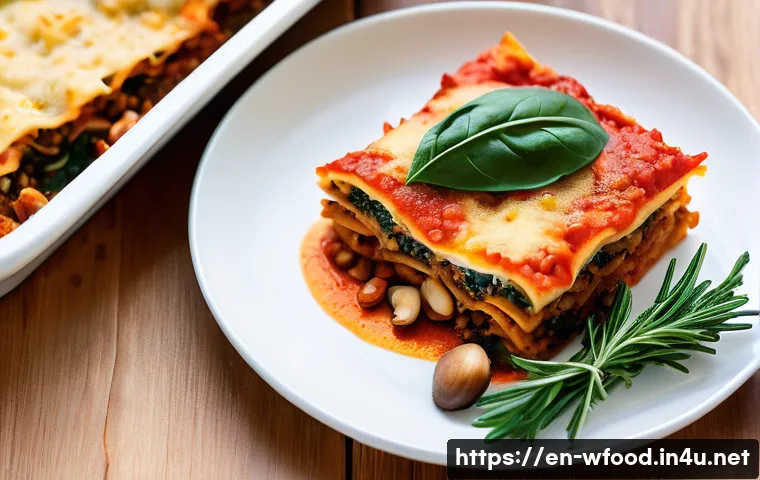
Whether you’re a seasoned vegan or just curious about incorporating more plant-based meals, this recipe offers a delicious and nutritious alternative.
It’s perfect for family dinners, meal prep, or impressing guests with a compassionate twist. Ready to transform your lasagna experience? Let’s explore the details below!
Crafting the Perfect Vegan Cheese Sauce
Choosing the Right Base Ingredients
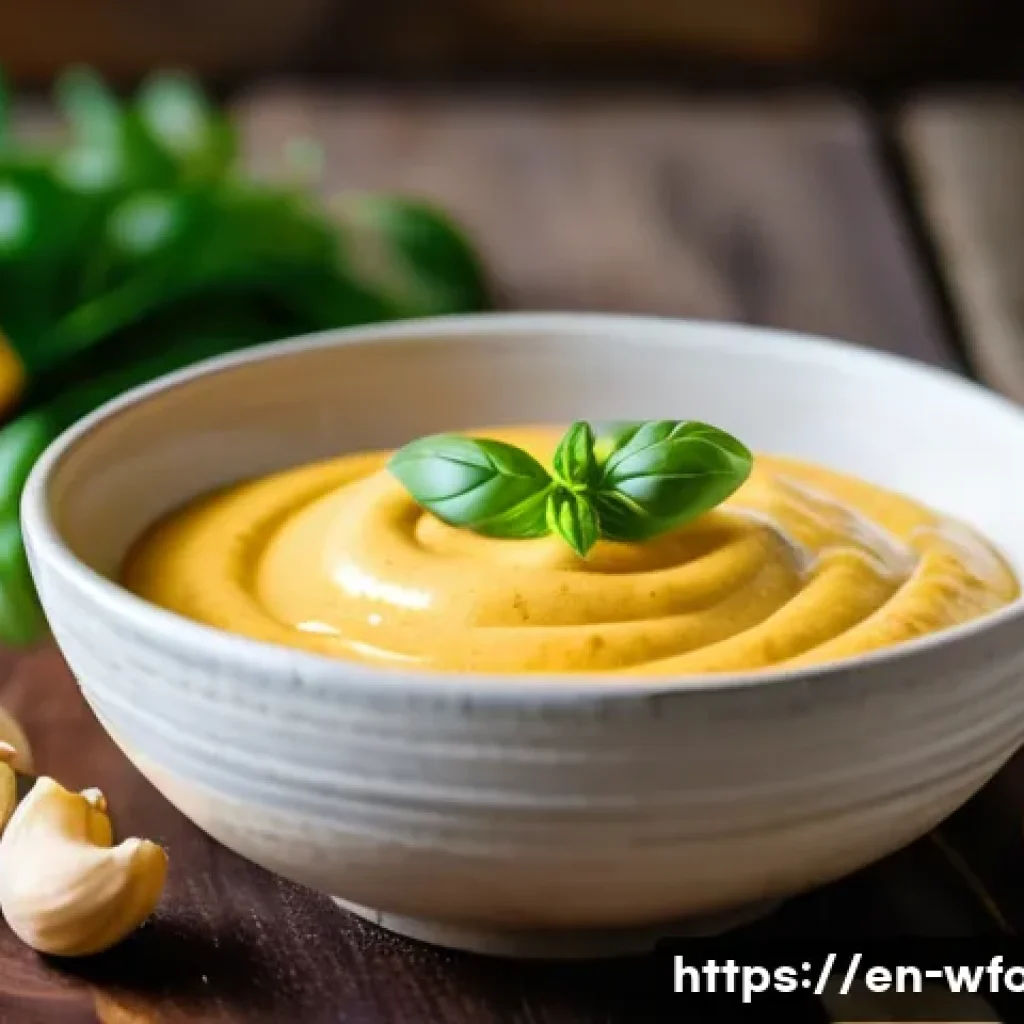
Creating a creamy, flavorful vegan cheese sauce is the heart of any plant-based lasagna. From my own kitchen trials, I’ve found that cashews and nutritional yeast make an unbeatable combo.
Cashews, when soaked and blended, provide a rich, velvety texture that mimics traditional creaminess without overpowering the dish. Nutritional yeast adds that signature cheesy, nutty flavor that’s often missing in vegan versions.
For those who prefer a lighter option, silken tofu can also be a great base, offering protein and a smooth consistency. Experimenting with these bases can help you tailor the sauce to your taste and dietary needs.
Incorporating Flavor Boosters
Adding depth to your vegan cheese sauce means layering in more than just the basics. Garlic powder, onion powder, and a squeeze of lemon juice bring brightness and balance.
I personally like to toss in a pinch of smoked paprika or a bit of mustard powder to elevate the savoriness. Salt is essential, but be mindful not to overdo it—taste as you go.
Fresh herbs like basil or oregano stirred in at the end can freshen up the sauce beautifully, especially when the lasagna is ready to serve. These small tweaks make a huge difference in turning a simple sauce into a standout component of your dish.
Techniques for a Silky Smooth Finish
Blending the sauce until perfectly smooth is crucial. Using a high-speed blender or food processor helps achieve that restaurant-quality texture. If the sauce feels too thick, gradually add plant-based milk or water to loosen it up without diluting the flavor.
I’ve learned that warming the sauce gently on the stove after blending allows the flavors to meld and thickens it just enough to hold its place between pasta layers.
Avoid boiling, as it can cause separation or graininess. Taking these extra steps ensures your vegan cheese sauce stays luscious and inviting.
Layering with Plant-Based Proteins and Vegetables
Selecting the Best Plant Proteins
When building a hearty vegan lasagna, choosing the right protein sources is key. Lentils are my go-to for their meaty texture and earthy taste, which blend seamlessly with tomato sauce.
For a different twist, crumbled tempeh or textured vegetable protein (TVP) can add satisfying chewiness. These options soak up flavors beautifully and provide the essential protein punch.
If you’re looking for convenience, pre-cooked canned beans such as cannellini or chickpeas also work well, especially when mashed lightly to mimic ricotta texture.
Vegetable Choices That Elevate the Dish
Layering in a variety of vegetables not only boosts nutrition but also enhances the lasagna’s flavor profile and visual appeal. Roasted mushrooms, zucchini slices, and spinach are fantastic staples I use frequently.
Their moisture content and earthiness balance the richness of the cheese sauce. Roasting vegetables beforehand concentrates their flavors, preventing the lasagna from becoming watery.
Adding caramelized onions or diced bell peppers introduces a subtle sweetness and crunch, making every bite interesting. Don’t shy away from seasonal veggies — they keep the dish fresh and exciting all year round.
Prepping and Layering for Perfect Texture
To prevent sogginess and ensure even cooking, prepping your ingredients carefully is essential. I always drain cooked lentils or beans thoroughly and press excess moisture from spinach.
When layering, start with a thin coating of sauce on the baking dish to keep the bottom pasta sheets from sticking. Alternate between noodles, protein, veggies, and cheese sauce in generous but balanced amounts.
This approach creates a well-structured lasagna that holds together nicely when sliced. Patience in layering pays off with a lasagna that looks as good as it tastes.
Choosing and Preparing Vegan Pasta Sheets
Types of Pasta Suitable for Vegan Lasagna
Finding vegan-friendly pasta is easier than ever, but it’s worth knowing which types work best for lasagna. Most dried pasta is naturally vegan, but always double-check labels to avoid eggs or dairy.
I prefer wide, flat sheets made from durum wheat semolina, which cook evenly and have a firm texture that holds up well under layers. For gluten-free options, rice or chickpea-based lasagna sheets are great alternatives, though they may require careful handling to avoid breaking.
Fresh pasta sheets made from vegan dough can elevate the dish but might take extra prep time.
How to Cook and Handle Pasta for Best Results
Parboiling pasta sheets before layering is a technique I swear by. It softens the noodles enough to prevent dryness but keeps them firm enough to avoid mushiness.
Be sure to salt the boiling water and stir gently to prevent sticking. After draining, I lay the sheets flat on a lightly oiled surface or parchment paper to keep them separate.
This step saves you from frustration when building your lasagna. If using no-boil sheets, make sure your sauce has enough moisture to cook the pasta thoroughly during baking.
Tips for Storing and Using Leftover Pasta
If you happen to have leftover cooked pasta sheets, store them separated by parchment paper in an airtight container in the fridge for up to two days.
I’ve found that slightly undercooked sheets hold up better when reheated in a lasagna. When ready to use, bring them to room temperature before layering to avoid cracking.
Leftover sheets can also be repurposed into vegan pasta rolls or layered casseroles, making the most of your cooking efforts and reducing waste.
Balancing Flavors with Tomato Sauces and Herbs
Creating a Robust Tomato Base
A rich tomato sauce is the backbone of any lasagna, and vegan versions are no exception. I like starting with canned San Marzano tomatoes for their natural sweetness and low acidity.
Simmering them with garlic, onion, and a splash of red wine deepens the flavor. Adding a teaspoon of sugar or grated carrot can balance any tanginess without making the sauce overly sweet.
For a smoother texture, blending part of the sauce is a trick I use to create a luscious consistency that clings perfectly to the pasta.
Herbs That Bring the Dish to Life
Fresh and dried herbs add complexity and freshness to your lasagna. Basil, oregano, and thyme are classic choices that complement the tomato sauce beautifully.
I often stir in chopped fresh basil just before assembling the layers to preserve its bright aroma. Rosemary and sage, used sparingly, can add a woodsy note that elevates the dish to something special.
Don’t forget a bay leaf during simmering for subtle depth. These herbs work together to create a symphony of flavors that keep your taste buds engaged.
Adjusting Acidity and Sweetness for Balance
Balancing the acidity of tomato sauce is crucial to avoid a harsh or one-dimensional flavor. I’ve found that a pinch of baking soda can mellow out excess acidity without compromising freshness.
If the sauce feels flat, a splash of balsamic vinegar or a teaspoon of soy sauce adds umami richness. Conversely, adding a small amount of maple syrup or agave nectar can brighten the overall profile.
Taste testing throughout the cooking process allows you to fine-tune these elements, ensuring every bite is perfectly balanced.
Optimizing Baking Techniques for Perfect Texture
Choosing the Right Baking Dish and Temperature
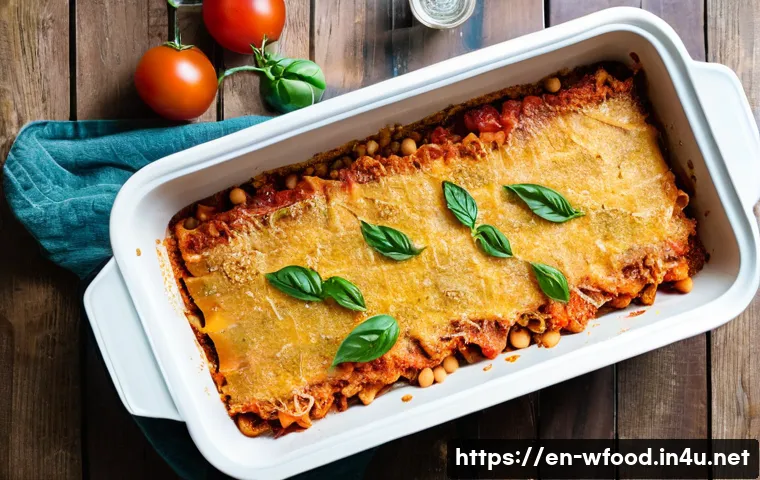
The vessel you bake your vegan lasagna in can influence how it cooks and presents. I prefer a glass or ceramic dish because it heats evenly and allows me to monitor browning.
Metal pans heat faster but may risk overcooking edges. Baking at 375°F (190°C) for about 45 minutes usually yields a beautifully cooked lasagna with bubbling sauce and golden top.
Tent the dish with foil for the first 30 minutes to prevent drying, then uncover to encourage a slight crisp on top.
Timing and Resting for Ideal Slices
One of the trickiest parts of vegan lasagna is slicing it neatly. After removing the dish from the oven, letting it rest for at least 15-20 minutes is a game changer.
This pause allows the layers to set, making cutting easier and less messy. I often use a sharp serrated knife and wipe it clean between cuts to keep slices tidy.
If you’re prepping ahead, refrigerate the lasagna overnight and reheat portions gently; this method enhances flavor melding and texture.
Enhancing the Crust and Presentation
Getting a golden, slightly crispy top on vegan lasagna adds texture contrast that’s incredibly satisfying. Sprinkling a mixture of breadcrumbs and nutritional yeast before baking creates a delicious crust.
For an extra touch, drizzle a little olive oil over the top to help browning. Fresh herbs or a handful of toasted pine nuts scattered after baking provide a beautiful finishing touch and boost flavor.
Presentation matters, and these small details make your vegan lasagna look as irresistible as it tastes.
Essential Nutritional Highlights and Ingredient Substitutions
Key Nutrients in Vegan Lasagna
Vegan lasagna packs a nutritional punch when made thoughtfully. With ingredients like lentils, cashews, spinach, and whole-grain pasta, you’re getting a solid dose of plant-based protein, fiber, healthy fats, and an array of vitamins and minerals.
For example, cashews provide heart-healthy monounsaturated fats and magnesium, while spinach offers iron and calcium. Nutritional yeast is a great source of B vitamins, including B12 when fortified.
This balance supports sustained energy and overall wellness.
Common Ingredient Swaps for Allergies and Preferences
Flexibility is one of vegan cooking’s best traits. If you have nut allergies, sunflower seeds or pumpkin seeds blended with plant milk can substitute for cashews in cheese sauce.
For soy sensitivity, opt for lentils or chickpeas over tofu or tempeh. Gluten-free pasta options ensure those with celiac disease or gluten intolerance don’t miss out.
If nutritional yeast is unavailable or disliked, miso paste or vegan Parmesan alternatives can add umami depth. These swaps maintain the dish’s integrity while accommodating dietary needs.
| Ingredient | Function | Substitution Options |
|---|---|---|
| Cashews | Provides creaminess and richness in cheese sauce | Sunflower seeds, pumpkin seeds, silken tofu |
| Nutritional Yeast | Adds cheesy flavor and B vitamins | Miso paste, vegan Parmesan, ground almonds |
| Lentils | Primary plant protein, texture | Chickpeas, crumbled tempeh, TVP |
| Lasagna Sheets | Structure and base layers | Gluten-free pasta, zucchini slices (for no-pasta version) |
| Spinach | Adds nutrients and moisture balance | Kale, Swiss chard, collard greens |
In Conclusion
Crafting the perfect vegan lasagna is a rewarding journey that combines creativity with wholesome ingredients. By focusing on quality plant-based components and thoughtful layering, you can create a dish that’s both comforting and nutritious. From the creamy cheese sauce to the robust tomato base, every element plays a vital role in delivering rich flavors and satisfying textures. With patience and a few simple techniques, your vegan lasagna will impress both vegans and non-vegans alike.
Useful Tips to Keep in Mind
1. Soaking cashews overnight significantly improves the creaminess of your vegan cheese sauce, making it smoother and more luxurious.
2. Roasting vegetables before layering prevents excess moisture and intensifies their natural flavors, resulting in a more balanced lasagna.
3. Always let your lasagna rest after baking; this helps the layers set and makes slicing easier and cleaner.
4. Experiment with fresh herbs added at the end to brighten and refresh the overall flavor profile.
5. Use a high-speed blender for the cheese sauce to achieve a silky texture that closely mimics traditional dairy sauces.
Key Takeaways for Success
Choosing the right ingredients and preparation techniques is essential for a delicious vegan lasagna. Prioritize creamy bases like cashews or silken tofu, and enhance flavors with nutritional yeast and herbs. Properly preparing and layering proteins, vegetables, and pasta ensures perfect texture without sogginess. Baking at the right temperature and allowing the dish to rest leads to beautiful presentation and easy serving. Lastly, being flexible with ingredient substitutions helps accommodate dietary restrictions without sacrificing taste or nutrition.
Frequently Asked Questions (FAQ) 📖
Q: What ingredients are typically used to make vegan lasagna taste rich and satisfying?
A: Vegan lasagna relies on plant-based ingredients that mimic the creamy and hearty textures of traditional recipes. Common staples include cashew or tofu-based ricotta, nutritional yeast for a cheesy flavor, and a variety of vegetables like spinach, mushrooms, and zucchini to add depth.
Tomato sauce is often seasoned with garlic, herbs, and sometimes a splash of red wine to enhance richness. Using a combination of these ingredients creates layers that are both flavorful and satisfying without dairy or meat.
Q: How can I ensure the vegan lasagna holds together well and doesn’t become too watery?
A: One trick I’ve found helpful is to make sure vegetables like zucchini or mushrooms are cooked and drained beforehand, as they release a lot of moisture.
Pressing tofu or cashews to remove excess water before blending them into cheese substitutes also helps. Additionally, using thicker tomato sauces and layering the lasagna sheets properly prevents sogginess.
Baking uncovered for the last 10-15 minutes can evaporate extra moisture, giving you a firmer, well-set lasagna.
Q: Is vegan lasagna suitable for meal prepping and freezing?
A: Absolutely! Vegan lasagna is fantastic for meal prepping because it actually freezes and reheats really well. I usually assemble the lasagna in advance, cover it tightly with foil, and freeze it before baking.
When ready to eat, thaw it overnight in the fridge and bake as usual. This makes weeknight dinners a breeze and helps reduce food waste. Plus, the flavors often deepen after sitting, making leftovers even tastier.