Cooking pasta might seem straightforward, but getting that perfect texture can be surprisingly tricky. Whether you’re aiming for al dente or a softer bite, small tweaks in technique can make all the difference.
From salt ratios to water temperature, each step plays a crucial role in elevating your dish. Over the years, I’ve tested countless methods and found some simple hacks that truly transform the outcome.
If you’ve ever struggled with sticky or mushy pasta, this guide will change the way you cook forever. Let’s dive in and explore the secrets to mastering pasta cooking with confidence!
Mastering Water Preparation for Ideal Pasta Texture
Choosing the Right Pot and Water Volume
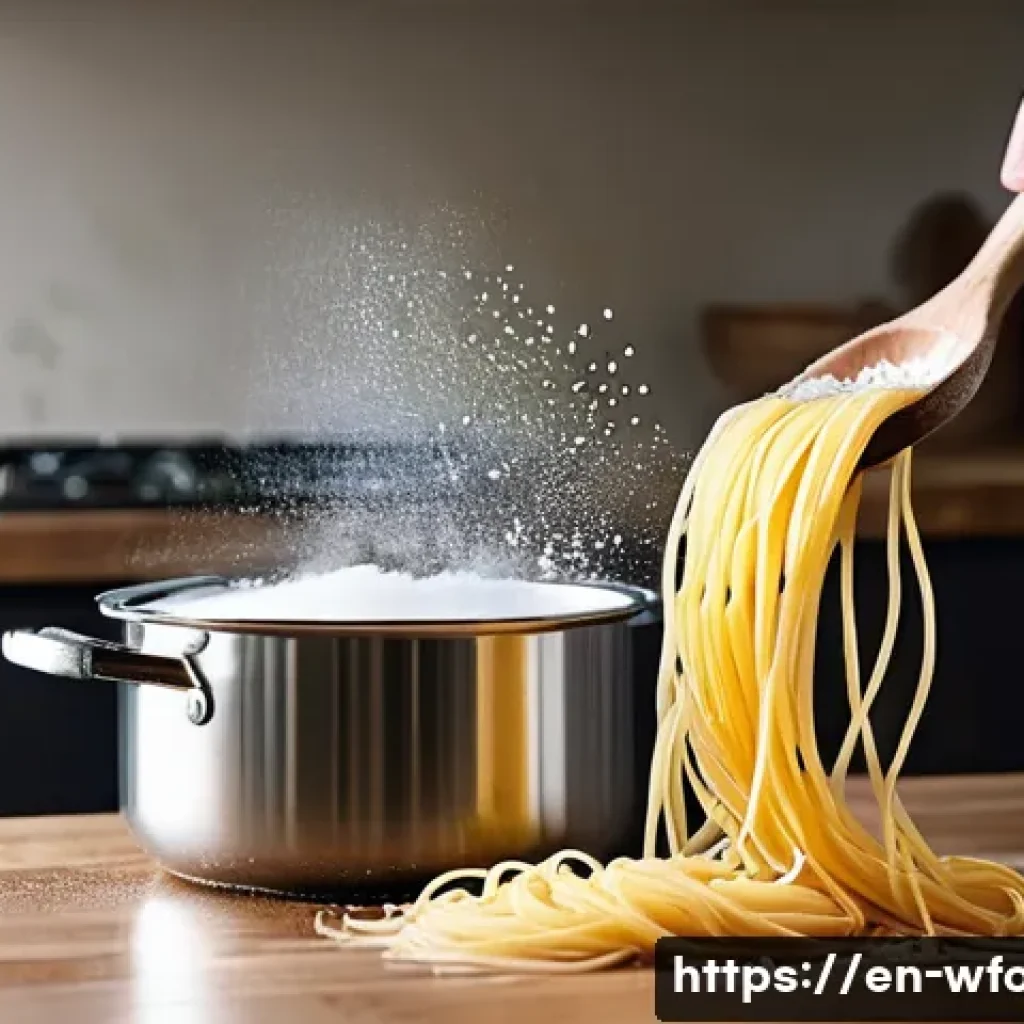
When it comes to pasta, the size of your pot and the amount of water you use can make a surprising impact. I’ve learned that using a large pot with plenty of water prevents pasta from sticking together and ensures even cooking.
A general rule I follow is about 4 to 6 quarts of water per pound of pasta. This generous volume dilutes the starch released during cooking, which helps keep noodles separate and prevents clumping.
Smaller pots or less water often lead to gluey pasta, something I’ve experienced firsthand when rushing to cook in a hurry. Trust me, investing in a big enough pot and plenty of water pays off in perfectly textured pasta every time.
Salt: The Unsung Hero of Pasta Cooking
Salt is not just for seasoning; it fundamentally changes how pasta tastes and cooks. I always add salt once the water reaches a boil, aiming for a briny sea taste, which typically means about 1 to 1.5 tablespoons of kosher salt per 4 quarts of water.
It’s not just about flavor—the salt slightly raises the boiling point of the water, contributing to better texture. I remember once skipping this step, and the pasta tasted bland no matter what sauce I added.
Don’t underestimate this simple step; it elevates the dish from average to restaurant-quality with minimal effort.
The Importance of Water Temperature and Boiling
Starting pasta in vigorously boiling water is critical. Some might think starting with cold water and gradually heating saves energy, but I’ve found that dropping pasta into a full boil locks in texture and prevents mushiness.
The rolling boil keeps the pasta moving, so it doesn’t stick or clump. A gentle simmer or lukewarm water can cause uneven cooking, with some parts mushy and others underdone.
For the best results, bring your water to a full, rolling boil before adding the pasta, and keep the heat high throughout cooking.
Timing and Testing: How to Nail the Perfect Bite
Understanding Al Dente and Beyond
Al dente means “to the tooth,” where pasta is tender but still firm when bitten. This is the ideal texture for many Italian dishes because it holds sauce better and offers a satisfying chew.
Personally, I always check pasta a minute or two before the package instructions say it’s done, because cooking times can vary based on brand, shape, and even altitude.
I find that tasting pasta during cooking is the best way to avoid overcooking. If you prefer softer pasta, just cook it a bit longer, but be careful not to cross the line into mushy territory.
Simple Taste Test Tips
Instead of relying solely on timers, tasting pasta regularly is key. I usually start sampling about two minutes before the recommended cooking time. Grab a piece, let it cool for a second, and bite into it.
If it’s tender but still firm in the center, it’s al dente. If you notice a chalky or hard core, keep cooking and taste again in 30-second intervals. This approach has saved me from many disappointing meals and is far more reliable than timing alone.
When to Drain and When to Save Pasta Water
Draining pasta promptly once it reaches your desired texture is crucial to avoid overcooking. However, saving some of the starchy cooking water can be a game-changer for your sauce.
I always scoop out about a cup of pasta water before draining because its starchiness helps emulsify sauces, making them cling to noodles better. If you skip this step, your sauce might feel thin or watery.
Using pasta water is a trick I discovered after experimenting with different sauces, and it instantly improved the creaminess and flavor integration.
Choosing Pasta Shapes and Their Cooking Nuances
Matching Shapes to Cooking Times
Different pasta shapes cook differently, and knowing these nuances can help you adjust your timing and technique. Thin pastas like angel hair or capellini cook in just 2 to 3 minutes, requiring close attention to avoid overcooking.
On the other hand, thicker or stuffed pastas such as rigatoni or tortellini take longer and sometimes require gentle simmering. I often cook multiple shapes for different recipes and have learned to keep a close eye on each to get the perfect texture.
How Shape Affects Sauce Absorption
The shape of pasta influences how it holds sauce. For instance, ridged or tubular pastas like penne or rigatoni trap sauce inside, giving you a burst of flavor with every bite.
Flat pastas like fettuccine or pappardelle are ideal for creamier sauces that coat evenly. I’ve found that pairing the right shape with the right sauce not only enhances taste but also improves the overall eating experience.
This is a subtle detail that many overlook but can elevate your pasta dishes to a professional level.
Cooking Tips for Stuffed and Fresh Pasta
Fresh and stuffed pastas require gentler handling and shorter cooking times. For example, ravioli or tortellini often cook in just 3 to 5 minutes and can fall apart if boiled too vigorously.
I always use a large pot with plenty of water but reduce the heat slightly to a gentle boil when cooking fresh pasta. Also, stirring carefully helps prevent tearing.
These small adjustments make a big difference in preserving the delicate texture and integrity of fresh pasta.
Preventing Pasta Clumping and Stickiness
Why Stirring Matters
One of the biggest mistakes I see people make is neglecting to stir the pasta in the first few minutes of cooking. Stirring prevents noodles from sticking to each other and the bottom of the pot.
I usually stir immediately after adding pasta to boiling water and continue every minute or so for the first 3 to 4 minutes. This simple habit has saved me from sticky messes and uneven cooking more times than I can count.
Avoiding Oil in the Cooking Water
You might have heard that adding oil to pasta water prevents sticking, but in my experience, this actually backfires. Oil tends to coat the pasta, making it slippery and preventing sauce from adhering properly.
I used to add oil out of habit until I noticed my sauces sliding right off the noodles. Instead, focus on using plenty of water, proper stirring, and salt to manage stickiness naturally.
Proper Draining and Rinsing Practices
After cooking, draining pasta promptly is essential, but rinsing is usually a no-no unless you’re making a cold pasta salad. Rinsing removes the starch that helps sauce cling, resulting in a less flavorful dish.
The only exception is when you want to cool pasta quickly or prevent further cooking. I remember once rinsing spaghetti for a hot sauce dish and regretted it immediately because the sauce wouldn’t stick.
So, save rinsing for specific recipes and rely on proper cooking to avoid stickiness.
Using Pasta Water to Enhance Sauces
The Science Behind Pasta Water
Pasta water contains starch released during cooking, which acts as a natural thickener and binder. When you add this water to your sauce, it helps create a silky, cohesive texture that clings to each noodle.
I first noticed this when making a simple aglio e olio; adding a splash of pasta water transformed the dish from watery to luxurious. It’s a small trick but has a huge impact on sauce consistency and flavor integration.
How to Incorporate Pasta Water Effectively
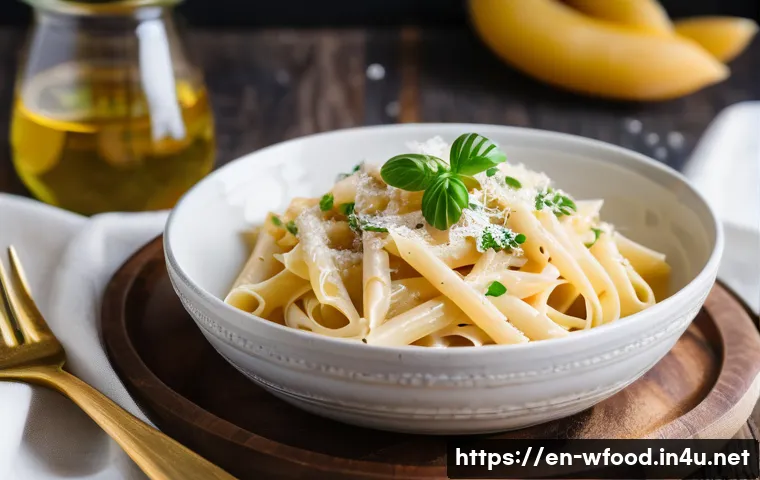
When adding pasta water to sauce, start with a few tablespoons and stir vigorously to emulsify. This gradual approach lets you control the thickness and prevents your sauce from becoming too watery.
I typically reserve about a cup of pasta water before draining and add it in increments. This method works especially well with oil-based, cream, and tomato sauces, making them cling perfectly to the pasta.
Storing and Using Leftover Pasta Water
If you have leftover pasta water, it can be refrigerated for a day or two and used later to adjust sauce texture or even as a cooking liquid for vegetables.
I sometimes keep a small jar of pasta water in the fridge as a secret weapon for quick sauce adjustments. Just remember to smell and taste it before reuse to ensure it hasn’t spoiled.
This little habit has saved me on more than one occasion when my sauce was too thick or dry.
Understanding Pasta Cooking Times and Their Impact
Why Cooking Times Vary
Pasta cooking times aren’t one-size-fits-all. Factors like pasta shape, thickness, brand, and even altitude influence how long it takes to cook perfectly.
I’ve learned that relying solely on package instructions can be misleading. For example, fresh pasta cooks much faster than dried, and thicker shapes take longer.
Altitude also plays a role because water boils at lower temperatures at higher elevations, which can extend cooking times.
Adjusting Cooking Times for Personal Preference
Everyone has their preferred pasta texture, whether it’s al dente or softer. I encourage tasting early and often to adjust based on your taste. For firmer pasta, reduce cooking time by 1 to 2 minutes; for softer, add a minute or two.
This flexibility allows you to customize dishes for different sauces and meals. My personal favorite is just slightly under al dente for baked pasta dishes, so the noodles finish cooking in the oven without becoming mushy.
How to Track Multiple Pasta Types Simultaneously
If you’re preparing several pasta types or shapes for a big meal, timing can get tricky. I recommend staggering the cooking start times based on their individual cook times and using separate pots if possible.
Labeling pasta types with sticky notes on the pots or timers on your phone helps keep everything organized. This method has saved me from overcooking one type while waiting for another, ensuring all pasta is served perfectly at the same time.
| Pasta Shape | Average Cooking Time | Recommended Water Volume | Best Sauce Pairing |
|---|---|---|---|
| Spaghetti | 8-10 minutes | 4-6 quarts per pound | Tomato-based, oil-based |
| Fettuccine | 10-12 minutes | 4-6 quarts per pound | Cream sauces, Alfredo |
| Rigatoni | 12-14 minutes | 5-7 quarts per pound | Chunky meat sauces |
| Angel Hair | 2-3 minutes | 3-4 quarts per pound | Light oil or broth-based sauces |
| Fresh Ravioli | 3-5 minutes | 4-5 quarts per pound | Butter or light cream sauces |
Common Mistakes and How to Avoid Them
Overcooking and Its Consequences
Overcooking pasta leads to a mushy texture that’s unappetizing and causes it to lose flavor. I’ve made this mistake multiple times, especially when multitasking in the kitchen.
The key to avoiding it is vigilance—set timers, taste early, and drain immediately once the pasta hits the perfect texture. Overcooked pasta also struggles to hold sauce, turning your dish into a soggy mess rather than a satisfying meal.
Underseasoning the Cooking Water
Failing to salt pasta water adequately is one of the most common errors. Bland pasta can ruin even the most elaborate sauce. I recommend seasoning as if you’re making soup—generously but not overly salty.
If you’re using sea salt or kosher salt, the texture means you need more by volume compared to table salt. Getting this right improves every bite and reduces the need to oversalt your sauce later.
Ignoring Pasta Quality
Not all pasta is created equal, and cheap brands can cook unevenly or break apart easily. I’ve tried many brands and found that higher-quality pasta made from 100% durum wheat semolina consistently delivers better texture and flavor.
Investing a little extra in good pasta is worth it for any meal that deserves to shine. Plus, quality pasta tends to have more predictable cooking times and better sauce adherence.
Enhancing Flavor Beyond Basic Cooking
Infusing Water with Aromatics
For an extra layer of flavor, I sometimes add aromatics like garlic cloves, bay leaves, or herbs to the boiling water. While it doesn’t penetrate the pasta deeply, it subtly enhances the overall aroma and can complement the sauce.
Just be careful not to overpower the pasta or add strong flavors that clash with your dish.
Finishing Pasta in the Sauce
One of my favorite tricks is finishing pasta by tossing it in the sauce for a minute or two off the heat. This allows the noodles to absorb flavors and marry perfectly with the sauce.
It also helps thicken the sauce slightly as the starch releases. This step makes a huge difference in restaurant-quality pasta dishes and is easy to do once you master timing.
Adding Butter or Cheese for Extra Creaminess
After draining and before serving, stirring in a knob of butter or a generous handful of grated cheese can elevate your pasta’s richness and mouthfeel.
I often do this with simple olive oil and garlic pasta to add indulgence without complicating the recipe. This final touch rounds out the flavors and creates a luxurious texture that keeps everyone coming back for seconds.
Wrapping Up
Mastering the art of pasta cooking comes down to attention to detail—from selecting the right pot and salting the water properly to understanding cooking times and sauce pairings. With a few simple techniques, you can transform everyday pasta into a delicious, restaurant-quality meal. Remember, practice and tasting as you go are your best allies for perfect results every time.
Handy Tips to Remember
1. Always use plenty of water and a large pot to prevent pasta from sticking and to ensure even cooking.
2. Salt the boiling water generously to enhance flavor and improve pasta texture.
3. Stir pasta frequently during the first few minutes to keep noodles separate and avoid clumping.
4. Save a cup of pasta water before draining to help emulsify and thicken your sauce naturally.
5. Taste pasta early and often to achieve the ideal al dente texture that suits your preference.
Key Takeaways
Perfect pasta cooking balances water volume, salt, temperature, and timing. Using high-quality pasta and understanding how shapes interact with sauces can elevate your dishes significantly. Avoid common pitfalls like overcooking, underseasoning, and rinsing unless necessary. Lastly, leveraging pasta water and finishing pasta in the sauce are simple yet powerful techniques that enhance flavor and texture, making your meals stand out with minimal extra effort.
Frequently Asked Questions (FAQ) 📖
Q: How much salt should I add to the pasta water for the best flavor?
A: A good rule of thumb is to add about 1 to 1.5 tablespoons of salt per 4 quarts (16 cups) of water. This might sound like a lot, but most of the salt stays in the water, not the pasta.
Salting the water properly enhances the pasta’s flavor from the inside out, giving you a more balanced and seasoned dish. I’ve found that under-salting leads to bland pasta no matter what sauce you use, so don’t be shy with the salt.
Q: Should I add oil to the pasta water to prevent sticking?
A: It’s a common myth that adding oil to the water prevents pasta from sticking, but in reality, it doesn’t help much and can even make your sauce slide off the noodles.
The best way to prevent sticking is to use plenty of boiling water and stir the pasta frequently during the first couple of minutes. I personally make it a habit to stir right after adding pasta and then every minute or so.
This simple step keeps the noodles separated and ensures even cooking.
Q: How do I know when pasta is perfectly al dente?
A: Al dente means the pasta is cooked through but still has a slight firmness when bitten. The best way to check is by tasting it a minute or two before the package’s recommended cooking time ends.
It should feel tender but still have a tiny resistance in the center, not mushy or chalky. I always rely on my taste buds rather than a timer because every stove and pot behaves differently.
Once it hits that perfect texture, drain the pasta quickly and toss it with your sauce to finish cooking from residual heat.