
Seafood risotto is one of those dishes that effortlessly combines comfort with a touch of elegance. The creamy texture paired with the fresh flavors of shrimp, mussels, or scallops creates a delightful experience for your taste buds.
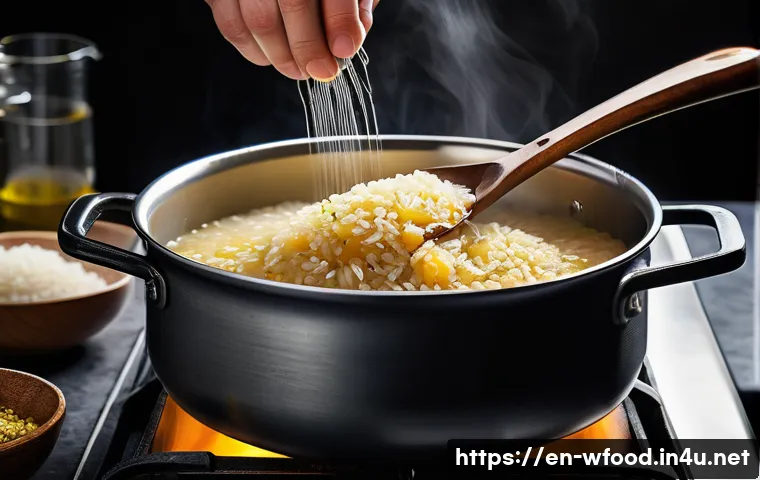
Whether you’re cooking for a special occasion or simply craving a cozy meal, mastering this recipe can elevate your culinary skills. Plus, making risotto from scratch isn’t as intimidating as it seems once you get the hang of it.
Let’s dive into the secrets of crafting the perfect seafood risotto that will impress both family and friends. Stick around as we explore the step-by-step process in detail!
Choosing the Right Seafood for Your Risotto
Freshness Matters: Picking Quality Ingredients
When it comes to seafood risotto, the quality of your seafood can make or break the dish. I’ve learned from experience that buying fresh shrimp, scallops, or mussels from a trusted fishmonger really elevates the flavor profile.
Frozen seafood can work in a pinch, but it often lacks the delicate sweetness and texture that fresh catches bring. When selecting shrimp, look for firm, translucent flesh and a mild ocean scent—avoid anything with a strong fishy odor.
For mussels, the shells should be tightly closed or close when tapped, indicating they’re still alive. Scallops should feel slightly springy and not slimy.
These simple checks save you from ending up with a disappointing dish.
Balancing Variety: Mixing Different Types of Seafood
I usually like to mix a few types of seafood to create layers of flavor and texture. Shrimp add a nice bite, scallops contribute buttery richness, and mussels bring a subtle brininess.
However, it’s important to consider cooking times—shrimp and scallops cook quickly, while mussels take a bit longer to open up. Adding them all at once can lead to overcooked shrimp or undercooked mussels.
My tip is to stagger the cooking: start with mussels, then add scallops, and finish with shrimp just before serving. This way, each seafood element stays tender and flavorful.
Allergy and Sustainability Considerations
If you’re cooking for guests, always double-check for shellfish allergies. It’s easy to overlook, but a quick heads-up can prevent an uncomfortable situation.
Also, consider sourcing your seafood from sustainable fisheries. Many seafood markets now label their products with sustainability certifications, which is a win-win—you enjoy a guilt-free meal while supporting responsible fishing practices.
Personally, I feel better knowing my meal isn’t contributing to overfishing or environmental harm.
Mastering the Perfect Risotto Base
Choosing the Right Rice: Arborio vs. Carnaroli
One of the most common questions I get is about rice selection. Arborio is widely available and works well for beginners. Its high starch content is perfect for that creamy risotto texture everyone loves.
However, if you want to take it up a notch, try Carnaroli rice—it’s often called the “caviar of risotto rice” because it maintains a firmer texture while still delivering creaminess.
Carnaroli requires a bit more attention during cooking but rewards you with a beautiful al dente bite that impresses every time.
The Importance of Toasting the Rice
Toasting the rice in butter or olive oil before adding any liquid is a step that many overlook but it’s crucial for flavor development. This process coats the grains, helping them release starch slowly during cooking, which results in a luscious texture.
When I toast the rice, I keep stirring gently until the grains look translucent around the edges but still opaque in the center. This signals that the rice is ready to absorb your broth without becoming mushy.
Building Flavor with Broth and Aromatics
Using a rich, well-seasoned broth is the backbone of any great risotto. I prefer homemade seafood stock because it intensifies the dish’s oceanic notes, but a good quality store-bought broth works too.
Adding finely chopped shallots or onions at the start, sautéed until soft and fragrant, creates a subtle sweetness that complements the seafood beautifully.
Don’t rush this step—slowly sweating your aromatics makes a noticeable difference in the final flavor.
Techniques for Achieving Creamy Texture
Slow and Steady: The Art of Ladling Broth
One of the reasons risotto intimidates people is the slow process of adding broth gradually. From my own cooking trials, I can say this is key to that creamy, comforting texture.
You add the broth one ladle at a time, stirring constantly, allowing the rice to absorb the liquid before adding more. This slow absorption releases starches evenly and prevents the rice from drying out or sticking to the pan.
It’s a bit like a dance—slow, patient, and rhythmic.
Stirring: More Than Just a Chore
I used to find stirring tedious, but I realized it’s essential not only to prevent burning but to activate the rice’s starch release. Stirring helps emulsify the starches with the liquid, creating that signature silkiness.
I tend to stir gently but consistently, avoiding vigorous agitation that can break the grains. The goal is a tender yet slightly chewy risotto with a velvety finish.
Final Touches: Butter and Cheese for Extra Creaminess
Once the rice is perfectly cooked, I always finish with a knob of cold butter and a handful of freshly grated Parmesan cheese. This technique, called “mantecatura,” enriches the risotto, adding a glossy sheen and luscious mouthfeel.
The butter melts into the hot rice, while the cheese brings umami depth. I’ve noticed this final step often surprises guests—they ask what makes my risotto so silky smooth, and it’s this simple trick.
Timing and Incorporating Seafood
Cooking Seafood Separately vs. Directly in Risotto
Some recipes suggest cooking the seafood directly in the risotto, but from my experience, this can lead to uneven results. Overcooked seafood becomes rubbery, while undercooked pieces ruin the dish’s texture.
I recommend sautéing shrimp, scallops, and mussels separately, seasoning them lightly, and folding them into the risotto at the very end. This way, you control the doneness precisely, and the seafood retains its tender, juicy quality.
Adding Seafood at the Right Moment
The key to perfect risotto with seafood is timing. After your rice is almost cooked—around 18 minutes in—I add the seafood gently, allowing it to warm through without overcooking.
For mussels, I steam them first until they open, then add them shelled or in-shell based on your preference. Shrimp and scallops only need a minute or two in the risotto to finish cooking.
This careful timing ensures every bite bursts with fresh, succulent seafood flavor.
Keeping It Warm and Ready to Serve
Risotto waits for no one, and it’s best served immediately after finishing. However, if you need to hold it briefly, I keep it warm on low heat, stirring occasionally and adding a splash of broth if it starts to dry out.

Overcooked or reheated risotto tends to lose that creamy texture, so serving it fresh is always my priority.
Enhancing Flavor with Herbs and Seasonings
Choosing the Right Herbs to Complement Seafood
Fresh herbs can bring your seafood risotto to life. I love adding chopped parsley for its bright, grassy notes that cut through the richness. Dill is another great option, offering a subtle anise flavor that pairs well with shellfish.
For a slightly peppery kick, a sprinkle of chives or tarragon works wonders. Avoid overpowering herbs—risotto’s delicate balance thrives on subtlety.
Seasoning with Salt and Pepper
Salt and pepper are your best friends but require careful use. Since seafood and broth can already be salty, I add salt gradually, tasting as I go. Freshly ground black pepper adds warmth and complexity without overshadowing the seafood’s natural flavors.
If you want a touch of heat, a pinch of red pepper flakes can be a nice surprise.
Finishing with a Zest of Citrus
A squeeze of lemon juice or a bit of lemon zest right before serving adds a refreshing brightness that lifts the entire dish. I often keep a lemon wedge on the side for guests to customize their flavor experience.
This small addition adds a layer of complexity and balances the creamy richness beautifully.
Essential Tools and Equipment for Risotto Success
Choosing the Right Pan for Even Cooking
A wide, heavy-bottomed pan or skillet is ideal for risotto because it allows for even heat distribution and gives you enough surface area to stir comfortably.
I use a stainless steel sauté pan with tall sides—it’s sturdy and perfect for slow cooking. Avoid nonstick pans that might not handle the constant stirring and heat needed for risotto.
Using a Ladle and Wooden Spoon
A ladle is crucial for adding broth gradually and controlling the amount you pour in each time. Wooden spoons are my go-to for stirring because they’re gentle on the rice and don’t conduct heat like metal, so your hand stays comfortable.
Plus, I find the tactile feedback from wooden spoons helps me gauge the texture better.
Optional: A Fine Mesh Strainer for Broth
If you make your own broth, straining it through a fine mesh sieve ensures a clear, clean liquid without any impurities or bits. This step is worth the extra effort because it keeps your risotto smooth and free from unwanted texture surprises.
Common Pitfalls and How to Avoid Them
Overcooking the Rice
One of the biggest challenges with risotto is avoiding mushy rice. I’ve been there—too much broth or cooking too fast can turn your dish into a gluey mess.
The trick is patience: add broth slowly, stir gently, and taste frequently. When the rice is tender but still has a slight bite in the center (al dente), it’s time to stop cooking.
Underseasoning the Dish
Risotto can taste bland if you’re too cautious with seasoning. I learned this the hard way. It’s better to season gradually and taste often, adjusting salt and pepper throughout the cooking process.
Remember that the cheese and butter at the end will add richness, so balance your seasoning accordingly.
Not Timing the Seafood Properly
Adding seafood too early can ruin its texture. Overcooked shrimp or rubbery scallops are a disappointment, and I’ve wasted batches before mastering this timing.
Cook seafood separately or add it at the very end to keep it tender and juicy.
| Common Mistake | Cause | Solution |
|---|---|---|
| Mushy Risotto | Adding broth too quickly or overcooking rice | Add broth slowly, stir gently, stop when al dente |
| Rubbery Seafood | Overcooking seafood in risotto | Cook seafood separately or add at the last minute |
| Blah Flavor | Underseasoning or bland broth | Use well-seasoned broth, season gradually, finish with butter and cheese |
| Sticking to Pan | Insufficient stirring or wrong pan | Use heavy-bottomed pan, stir gently but constantly |
글을 마치며
Crafting the perfect seafood risotto is a rewarding experience that combines attention to detail with a bit of patience. Fresh ingredients, careful timing, and the right techniques transform simple components into a memorable dish. I hope these tips inspire you to experiment and enjoy the process as much as the delicious results. Remember, great risotto comes from loving what you do in the kitchen.
알아두면 쓸모 있는 정보
1. Always buy the freshest seafood you can find to enhance flavor and texture in your risotto.
2. Toasting the rice before cooking helps release starch gradually, creating a creamier texture.
3. Adding broth slowly and stirring consistently is key to achieving that signature silky risotto.
4. Cook seafood separately or add it at the very end to prevent overcooking and maintain tenderness.
5. A final touch of butter, Parmesan, and a squeeze of lemon juice can elevate your risotto’s flavor profile dramatically.
중요 사항 정리
Choosing high-quality, fresh seafood and timing its incorporation properly is essential to avoid rubbery or bland results. Slow, patient stirring and gradual broth addition ensure creamy, perfectly cooked rice. Seasoning throughout the process and finishing with butter and cheese deepen the flavor. Using the right tools, like a heavy-bottomed pan and wooden spoon, supports even cooking and texture control. Lastly, serving risotto immediately preserves its delicate creaminess and freshness.
Frequently Asked Questions (FAQ) 📖
Q: What type of rice should I use for the best seafood risotto?
A: For a creamy and perfectly textured risotto, Arborio rice is your best bet. It has a high starch content that breaks down during cooking, giving that signature creamy consistency without becoming mushy.
I’ve tried other types like Carnaroli and Vialone Nano, which are excellent too, but Arborio is usually easier to find in most grocery stores and works beautifully for beginners and pros alike.
Q: How do I prevent the seafood from overcooking in seafood risotto?
A: Timing is everything when it comes to seafood risotto. I usually cook the risotto almost all the way through first, then add the seafood in the last few minutes of cooking.
Shrimp, scallops, and mussels only need a few minutes to cook — overcooking makes them rubbery and tough. Adding them too early is a common mistake, so keep a close eye and remove the pan from heat as soon as the seafood turns opaque or the mussels open up.
Q: Can I prepare seafood risotto ahead of time, or is it best served immediately?
A: Risotto is definitely best enjoyed fresh and creamy right after cooking. If you try to prepare it too far in advance, the rice tends to absorb all the liquid and become dense.
However, if you need to prep ahead, you can cook the rice just shy of done, then refrigerate it separately from the seafood. When ready to serve, gently reheat with a splash of broth and quickly add the seafood.
This approach helps maintain that luxurious texture without sacrificing flavor.