Discover 7 Essential Types of Processed Cheese and How to Use Them Like a Pro

webmaster

양식용 치즈 종류와 용도 - A close-up, high-resolution image of a gourmet cheeseburger on a rustic wooden table, featuring a ju...

When it comes to cooking and snacking, processed cheese offers a convenient and versatile option that many people love. From creamy slices perfect for sandwiches to melts ideal for burgers and sauces, processed cheese varieties have carved out their own unique place in kitchens worldwide.

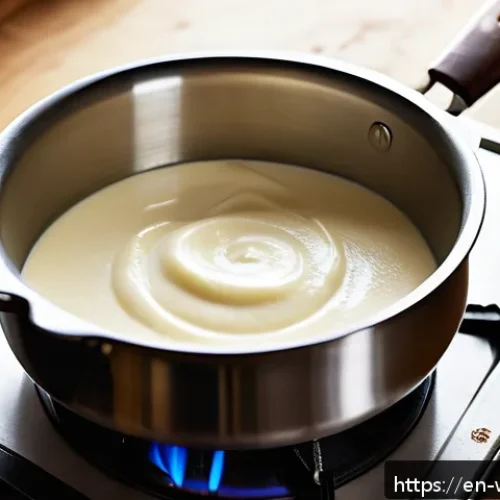
양식용 치즈 종류와 용도 관련 이미지 1

Their smooth texture and longer shelf life make them a favorite for quick meals and comfort food alike. Understanding the different types can help you pick the best one for your recipe or snack craving.

Let’s dive into the world of processed cheese and explore how each variety can elevate your culinary experience. We’ll break it down clearly so you can choose with confidence!

Unlocking the Creamy Comfort: How Processed Cheese Enhances Everyday Meals

The Magic Behind the Melt

When you think about that perfectly gooey cheese on a burger or a grilled cheese sandwich, processed cheese is often the unsung hero. Unlike natural cheeses that can sometimes separate or become oily when heated, processed cheese melts uniformly, creating that smooth, velvety texture that makes comfort food so irresistible.

I’ve found that using processed cheese slices in my homemade cheeseburgers consistently results in a luscious melt that clings to the patty without dripping away.

This quality also makes it a favorite for creamy cheese sauces, where a consistent texture is key to that indulgent mouthfeel. If you’ve ever struggled with uneven melting or a greasy mess, switching to processed cheese can be a game changer.

Quick Fix for Snack Time

Processed cheese shines brightest when you need a fast and satisfying snack. Its longer shelf life and ready-to-use slices mean you can whip up something tasty in minutes.

For example, layering slices on crackers or bread for a quick snack is a lifesaver during busy afternoons. I remember one hectic day when I grabbed a pack of processed cheese slices, and within seconds had a satisfying, no-fuss snack ready—no grating or prep needed.

It’s also a fantastic option for kids’ lunchboxes since it doesn’t spoil easily and pairs well with fruits or veggies. The convenience factor here is undeniable, making it a staple for many households.

Varieties That Adapt to Your Cooking Style

Processed cheese isn’t a one-size-fits-all product. There’s a spectrum of options tailored to different culinary needs, from mild and creamy to sharper, more flavorful blends.

For instance, American-style processed cheese is a classic choice for sandwiches and melts, offering that familiar, mellow taste that complements many dishes.

On the other hand, processed cheese spreads come with a softer texture perfect for dips or spreading on bagels and crackers. I’ve experimented with various types, and each one brings a subtle nuance that can elevate simple recipes without overwhelming other flavors.

Knowing what each type brings to the table helps me decide which to use depending on the dish or occasion.

Advertisement

Balancing Flavor and Function: Choosing the Right Cheese for Your Recipe

Understanding Texture and Taste Profiles

Texture plays a crucial role in how processed cheese behaves in your recipe. Harder processed cheese blocks or slices often provide a firmer bite and melt slowly, ideal for layering in sandwiches where you want distinct cheese layers.

In contrast, processed cheese spreads deliver immediate creaminess and are perfect when you want a smooth, spreadable consistency. Taste also varies; some processed cheeses are deliberately mild to appeal to a broad audience, while others have added spices or smoked flavors to bring a punchier profile.

When I prepare dishes like macaroni and cheese or fondue, I lean towards processed cheese blends that offer a balance between creamy meltability and a rich, savory taste.

Matching Cheese to Cooking Techniques

Processed cheese’s versatility means it can handle various cooking methods. Baking with processed cheese results in that golden bubbly topping we all crave, while melting it gently on the stove creates luscious sauces.

I’ve noticed that processed cheese doesn’t break or separate under heat like some natural cheeses do, making it a dependable ingredient for casseroles and baked pasta dishes.

Grilling or pan-frying sandwiches with processed cheese produces consistent results, delivering that signature stretchy, melty cheese pull. Knowing how each type responds to heat allows me to experiment confidently without worrying about texture disasters.

Storage and Longevity for Everyday Use

One of the biggest perks of processed cheese is its impressive shelf life compared to natural cheese. Thanks to the added emulsifiers and preservatives, it stays fresh longer, even once opened.

This makes it a practical choice for busy households where cheese might sit unused for a few days. I keep a pack of processed cheese slices in my fridge for those spontaneous meals or snacks because I know it won’t spoil quickly.

Plus, it’s easy to portion and reseal, reducing waste. For anyone juggling a hectic schedule, this longevity factor is a major advantage that adds both convenience and peace of mind.

Advertisement

Processed Cheese in the Kitchen: A Versatile Ingredient Beyond the Basics

Elevating Classic Comfort Foods

Processed cheese breathes new life into many comfort food staples. Whether it’s the gooey cheese layer in a grilled cheese sandwich or the creamy sauce in a cheesy broccoli bake, processed cheese adds that comforting richness that everyone loves.

I’ve often swapped out natural cheese for processed cheese in recipes like quesadillas and baked potatoes, and the results never disappoint. The flavor melds seamlessly with other ingredients, enhancing the overall dish without overpowering it.

It’s this adaptability that makes processed cheese a go-to ingredient in my kitchen when I want to keep things simple yet delicious.

Innovative Uses for Everyday Cooking

Beyond the usual applications, processed cheese can be surprisingly versatile in creative cooking. I once tried mixing processed cheese spread into scrambled eggs, and the result was a luxuriously creamy texture that elevated a simple breakfast.

It also works wonderfully as a base for dips when combined with herbs, spices, or hot sauce. For casual get-togethers, processed cheese blends make quick cheese sauces for nachos or drizzling over veggies.

I enjoy experimenting with these ideas because processed cheese’s smooth texture and mild flavor provide a perfect canvas for flavor enhancements.

Pairing with Complementary Ingredients

Pairing processed cheese with the right ingredients can unlock new flavor dimensions. Its mild profile pairs beautifully with tangy pickles, smoky bacon, or sweet tomato slices.

For example, I love assembling sandwiches that layer processed cheese with crisp lettuce and ripe tomatoes for a refreshing balance. The cheese also complements spicy condiments like mustard or chipotle mayo, mellowing heat while adding creaminess.

When planning meals or snacks, considering these pairings can make a simple bite more exciting and satisfying.

Advertisement

Processed Cheese Varieties: A Quick Comparison Chart for Your Kitchen

Type Texture Flavor Profile Best Uses Shelf Life
Processed Cheese Slices Smooth, firm Mild, creamy Sandwiches, burgers, melts 4-6 weeks refrigerated
Processed Cheese Spread Soft, spreadable Rich, slightly tangy Dips, spreads, bagels 3-4 weeks refrigerated
Processed Cheese Blocks Firm, sliceable Varies from mild to sharp Grating, cooking, snacking 6-8 weeks refrigerated
Processed Cheese Food Very smooth Mild, consistent Cheese sauces, cooking bases 4-5 weeks refrigerated
Advertisement

Tips for Getting the Most Out of Processed Cheese

Storage Best Practices

Processed cheese is forgiving, but proper storage ensures you get the best flavor and texture. Always keep it tightly sealed in its original packaging or an airtight container to prevent drying out or absorbing fridge odors.

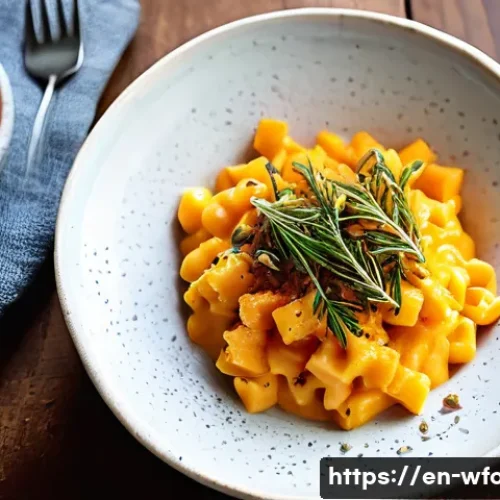
양식용 치즈 종류와 용도 관련 이미지 2

I learned this the hard way when I left a pack open, and the cheese developed an off taste. Storing it in the coldest part of the fridge rather than the door helps maintain consistent temperature, extending freshness.

If you don’t plan to use it soon, some processed cheese types freeze well, although texture may slightly change upon thawing.

Creative Serving Ideas

Processed cheese doesn’t have to be boring or basic. Try layering it with fresh herbs or spreading it on warm bread with a drizzle of honey for a quick sweet-savory combo.

Another favorite trick of mine is melting processed cheese over roasted vegetables to add richness without overpowering their natural flavors. It’s also great crumbled over baked potatoes or stirred into soups for extra creaminess.

Playing around with these ideas can turn everyday meals into something a little more special without extra effort.

Combining with Other Cheeses

Don’t hesitate to mix processed cheese with natural cheeses to balance flavor and texture. I often blend shredded cheddar with processed cheese slices when making cheese sauces to get the sharpness of cheddar alongside the smooth melt of processed cheese.

This combo creates a depth of flavor that’s hard to beat and keeps the sauce silky. Experimenting with these blends can help you find a personalized flavor profile that suits your palate and cooking style perfectly.

Advertisement

Health and Nutritional Insights on Processed Cheese

Understanding Ingredients and Additives

Processed cheese contains emulsifiers and preservatives that give it its signature smooth texture and long shelf life. While some might be wary of these additives, they play a key role in making processed cheese so versatile and easy to use.

I always check labels to understand what’s inside, especially if I’m cooking for kids or people with dietary restrictions. Many brands now offer options with reduced sodium or no artificial colors, which is great for health-conscious eaters.

Balancing enjoyment and nutrition is key, and processed cheese can fit well into a balanced diet when consumed in moderation.

Calorie and Fat Content Considerations

Compared to some natural cheeses, processed cheese often has slightly lower fat content but can contain added sodium. For those watching their intake, portion control is important since processed cheese is rich and flavorful.

Personally, I find that a little goes a long way in recipes, so using smaller amounts can satisfy cheese cravings without overdoing calories or fat. Pairing processed cheese with fresh veggies or whole grain bread also helps create more balanced meals.

Suitability for Various Dietary Needs

Processed cheese can be a convenient choice for people with mild lactose intolerance because some varieties have lower lactose levels due to the processing.

However, it’s always best to read labels or try small amounts first. For vegetarians, many processed cheeses use microbial enzymes instead of animal rennet, making them suitable for meat-free diets.

Gluten-free eaters can also enjoy processed cheese since it typically contains no gluten. Knowing these details allows you to include processed cheese confidently without compromising dietary preferences.

Advertisement

Simple Hacks to Elevate Your Processed Cheese Experience

Adding Fresh Ingredients for Depth

A quick way to boost processed cheese’s flavor is by mixing in fresh herbs like chives, parsley, or basil. I often stir chopped herbs into cheese spreads for an instant flavor upgrade that feels gourmet without extra hassle.

Garlic powder or a pinch of smoked paprika can also add exciting layers of taste. These small additions make processed cheese feel more homemade and personalized, perfect for impressing guests or simply enjoying your food more.

Pairing with Drinks and Sides

Processed cheese pairs surprisingly well with a variety of drinks and side dishes. For casual snacking, pairing cheese slices with a crisp apple or pear offers a refreshing contrast.

I’ve found that processed cheese goes great with light beers or fruity white wines, which balance the cheese’s creaminess nicely. On the savory side, pickles or olives complement processed cheese’s mild tang, making for a satisfying snack platter.

Experimenting with these combinations can elevate your casual cheese moments into enjoyable tasting experiences.

Using Processed Cheese in Meal Prep

For those who meal prep, processed cheese is a reliable ingredient that holds up well over time. Adding it to wraps, casseroles, or pasta dishes ensures that your meals stay creamy and delicious even after reheating.

I like to prepare a batch of cheesy chicken wraps using processed cheese slices because they reheat without losing texture or flavor. This consistency makes it easier to plan meals ahead without worrying about disappointing leftovers, saving time and reducing food waste.

Advertisement

Conclusion

Processed cheese is a versatile and convenient ingredient that brings creamy texture and consistent flavor to everyday meals. Its unique melting properties and long shelf life make it a reliable choice for quick snacks and comfort foods alike. By understanding its varieties and pairing options, you can easily elevate your cooking without extra fuss. Whether for casual lunches or creative recipes, processed cheese offers both practicality and deliciousness in one package.

Advertisement

Useful Tips to Remember

1. Store processed cheese in airtight containers and keep it in the coldest part of the fridge to maintain freshness and prevent off-flavors.
2. Experiment by mixing processed cheese with fresh herbs or spices to boost flavor and create more personalized dishes.
3. Combine processed cheese with natural cheeses to balance meltability and taste, especially in sauces and casseroles.
4. Pair processed cheese with complementary ingredients like pickles, bacon, or fresh fruits for an exciting flavor contrast.
5. Use processed cheese in meal prep recipes since it reheats well and maintains a creamy texture without separating.

Advertisement

Key Takeaways

Processed cheese stands out for its reliable melting behavior and long shelf life, making it perfect for busy households and quick meals. Choosing the right type based on texture and flavor profile can enhance your dishes significantly. Proper storage and creative serving ideas unlock its full potential, while mindful consumption ensures it fits well within a balanced diet. Embracing processed cheese as a versatile kitchen staple can simplify cooking and add comforting richness to everyday eating.

Frequently Asked Questions (FAQ) 📖

Q: What are the main differences between processed cheese slices and processed cheese melts?

A: Processed cheese slices are usually thinner and designed for easy layering in sandwiches or burgers. They melt smoothly but hold their shape well, making them perfect for quick melts.
On the other hand, processed cheese melts often have a creamier texture and a higher moisture content, which helps them blend seamlessly into sauces or dips.
If you want a gooey, rich melt on your burger, processed cheese melts are your go-to, while slices are great for neat, convenient layering.

Q: How long can processed cheese be stored, and does it require refrigeration?

A: One of the biggest perks of processed cheese is its longer shelf life compared to natural cheese. Unopened packages can often last several months when stored in a cool, dry place.
However, once opened, it’s best to refrigerate processed cheese to maintain its texture and prevent spoilage. Typically, keeping it in an airtight container or wrapped tightly will keep it fresh for a few weeks.
From my experience, refrigerated processed cheese retains its creamy texture much better, especially if you plan to use it for melting or snacking over time.

Q: Are processed cheeses a healthy option compared to natural cheeses?

A: Processed cheeses tend to have added ingredients like emulsifiers, preservatives, and sometimes extra salt or fat, which can make them less natural than traditional cheeses.
That said, they can still fit into a balanced diet when eaten in moderation. They offer convenience and consistency, which is why many people love using them for quick meals.
Personally, I find them great for occasional comfort foods or snacks, but if you’re aiming for higher nutritional value, natural cheeses with fewer additives might be a better choice.

📚 References


➤ Link

– Google Search

➤ Link

– Bing Search

➤ Link

– Google Search

➤ Link

– Bing Search

➤ Link

– Google Search

➤ Link

– Bing Search

➤ Link

– Google Search

➤ Link

– Bing Search

➤ Link

– Google Search

➤ Link

– Bing Search

➤ Link

– Google Search

➤ Link

– Bing Search

➤ Link

– Google Search

➤ Link

– Bing Search

➤ Link

– Google Search

➤ Link

– Bing Search