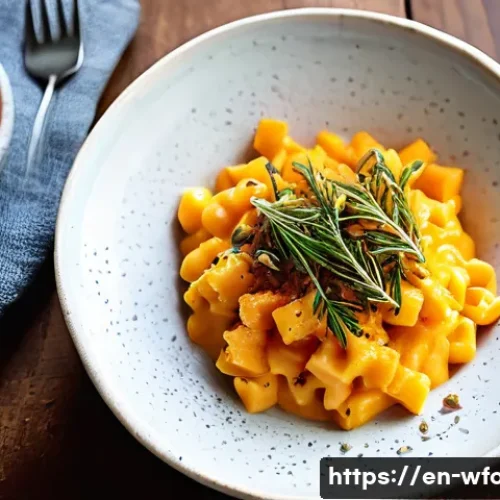
Navigating a Western restaurant menu can feel like stepping into a culinary maze, especially if you’re not familiar with the dishes or cooking styles.

From appetizers to main courses, each option carries its own flavor profile and ingredients that might surprise you. Knowing a few key tips can transform your dining experience, helping you choose meals that suit your taste and dietary needs perfectly.
Whether you’re craving a hearty steak or a light seafood dish, understanding the menu’s structure is essential. Let’s dive into how to pick the best Western dishes with confidence and ease—I’ll guide you through it all!
Keep reading to get the full scoop.
Understanding Menu Sections to Find Your Perfect Dish
Decoding Appetizers: Small Plates with Big Flavor
Appetizers often set the tone for your meal, so knowing what to expect can make a huge difference. These starters range from light salads and soups to rich, indulgent bites like stuffed mushrooms or calamari.
Personally, I’ve found that choosing something with a mix of textures—like a crunchy bruschetta paired with a creamy dip—can really awaken your palate.
Many menus highlight local or seasonal ingredients here, so it’s worth asking the server what’s fresh or popular. Plus, appetizers are a smart way to sample the chef’s style without committing to a full entrée.
Spotting the Starters That Suit Your Cravings
Sometimes menus list dishes under “Starters” or “Small Plates” instead of appetizers, which can be confusing. These sections often feature shareable items or lighter options.
If you’re not super hungry or want to try multiple dishes, these smaller portions are your go-to. Think about whether you want something warm or cold, spicy or mild.
For example, a chilled shrimp cocktail is refreshing and light, while crispy fried pickles offer a tangy crunch. Don’t hesitate to ask if you want a recommendation based on what flavors you’re in the mood for.
Pairing Appetizers with Drinks for a Winning Combo
I’ve noticed that some appetizers pair beautifully with specific drinks, which can elevate your entire experience. For instance, a charcuterie board with cured meats and cheeses often goes perfectly with a glass of red wine or a robust craft beer.
If you prefer cocktails, a citrusy appetizer like ceviche complements a tangy margarita wonderfully. Understanding this pairing can turn a simple starter into a memorable part of your meal, so keep an eye out for suggested drink pairings on the menu or ask your server for ideas.
Choosing the Right Protein for Your Main Course
Beef, Chicken, or Fish? Breaking Down the Options
When it comes to main courses, the protein choice often shapes the entire dish. Beef is typically rich and hearty, often prepared as steaks, roasts, or burgers.
I personally love a well-cooked ribeye for its juicy flavor and satisfying texture. Chicken tends to be more versatile and lighter, perfect for grilled, roasted, or even fried dishes.
Fish and seafood offer a lighter alternative with a delicate flavor profile, and dishes like seared salmon or shrimp scampi can feel both fresh and indulgent.
Think about your mood and appetite when selecting a protein, and don’t hesitate to ask about preparation methods if you’re unsure.
Understanding Cooking Styles to Match Your Taste
How your protein is cooked can drastically change your dining experience. Grilling often adds a smoky char and crisp exterior, while roasting keeps things juicy and tender.
Pan-searing is fantastic for developing rich, caramelized flavors, especially on fish or chicken breasts. If you prefer something slow-cooked, braised dishes tend to be softer and packed with deep flavors.
I’ve found that knowing these terms helps me avoid surprises—if you want a juicy, tender steak, asking for medium-rare and a grilled preparation is the way to go.
Exploring Sauces and Sides That Complement Your Entrée
Sauces can make or break a dish. Creamy peppercorn, tangy chimichurri, or rich mushroom gravy each bring a unique character to your protein. I always ask servers what the signature sauces are and how spicy or mild they might be.
Sides also deserve attention—whether it’s garlic mashed potatoes, roasted vegetables, or a fresh garden salad, the right accompaniment balances the meal.
Sometimes menus allow you to customize sides, which is a great way to tailor the dish to your preferences.
Navigating Dietary Preferences and Restrictions
Finding Gluten-Free and Vegetarian Choices
More and more restaurants highlight gluten-free and vegetarian options, but sometimes these are scattered throughout the menu or not clearly marked. I recommend scanning for symbols or asking about dishes that can be modified.
For gluten-free diners, grilled meats, salads, and certain seafood dishes are often safe bets, but watch out for hidden ingredients like breading or soy sauce.
Vegetarians will find hearty salads, pastas with vegetable sauces, and cheese-based dishes appealing. I’ve learned that communicating your needs upfront to the staff can avoid any confusion and improve your dining experience.
Customizing Your Meal Without Compromise
Don’t be shy about requesting modifications. Most kitchens appreciate guests’ dietary needs and will happily swap sides, remove sauces, or cook items differently.
For example, if you want a steak but need a lower-fat option, asking for it grilled without butter or heavy sauce works well. I once asked for a pasta dish without cheese and they suggested a flavorful tomato-based sauce instead—turns out, it was one of the best meals I’ve had!
Being clear and polite about your needs often leads to surprisingly delicious custom dishes.
Balancing Indulgence and Health
Dining out is about enjoyment, but if you want to keep things balanced, choosing grilled, roasted, or steamed items over fried ones is a smart move. Portion sizes at Western restaurants can be generous, so consider sharing or saving half for later.
Adding a side salad or steamed vegetables can help increase nutrients without sacrificing flavor. I like to treat myself while staying mindful—ordering a rich entrée but pairing it with lighter sides or starting with a broth-based soup can make the meal feel satisfying without overdoing it.
Deciphering Menu Descriptions for a Clear Picture
Spotting Key Ingredients and Flavors
Menu descriptions can sometimes be vague or filled with culinary jargon that leaves you guessing. Words like “au jus,” “confit,” or “reduction” might sound fancy but can be confusing.
I usually look for familiar ingredients first—if you know you love garlic, mushrooms, or rosemary, check if these are mentioned. Descriptions often hint at the flavor profile, like “spicy,” “herb-crusted,” or “smoky,” which helps narrow down what to expect.
When in doubt, asking the server to explain can save you from surprises.
Recognizing Portion Sizes and Presentation

Some menus indicate portion size by the dish name or description—terms like “tapas,” “platter,” or “family style” suggest sharing or smaller portions, while “entrée” usually means a full meal.
Presentation clues such as “served with sides” or “garnished with” tell you how complete the dish is. I’ve learned that when traveling, portion sizes vary widely, so it’s good to double-check if you’re really hungry or just sampling.
This helps avoid ordering too much or too little.
Understanding Price Points and Value
Price can be a helpful guide but sometimes menus don’t make it obvious why one dish costs more than another. Higher prices often mean premium ingredients like filet mignon or fresh seafood, while lower prices might indicate simpler preparations or smaller portions.
I find that balancing your budget with your cravings is key—splurging on a signature dish while keeping starters or sides modest can maximize both satisfaction and value.
Also, don’t overlook specials or combo meals, which often offer great deals.
How to Use Menu Layout to Your Advantage
Spotting Chef’s Specials and Recommended Dishes
Menus often highlight the chef’s favorites or house specialties with symbols, boxes, or different fonts. These selections usually showcase the restaurant’s best ingredients or signature cooking style.
I’ve noticed that trying a recommended dish can be a fun way to experience something unique or highly praised. If you’re unsure what to pick, going with these suggestions often leads to a meal you won’t regret.
Reading Between the Lines: What’s Seasonal or Locally Sourced
Many places take pride in using seasonal or local ingredients, which are sometimes noted on the menu. These dishes tend to be fresher and support local producers, but they can also change frequently.
Asking about seasonality can open doors to discovering new flavors and regional specialties. When I spotted a local seafood catch on the menu, I jumped at the chance—and it turned out to be the freshest, most flavorful fish I’d had in ages.
Using Menu Sections to Build a Balanced Meal
Menus are often divided into logical sections like starters, mains, sides, and desserts, but some also include soups, salads, or sandwiches separately.
I like to scan the entire menu first to get a sense of the options before ordering. Sometimes starting with a light soup or salad, followed by a main with a vegetable side, creates a balanced and satisfying meal.
Keeping an eye on the menu’s flow helps avoid ordering redundant or overly heavy dishes.
Common Western Dishes to Recognize and Try
Classic Favorites That Never Disappoint
If you’re new to Western cuisine, some dishes are worth trying because they capture the essence of the style. Think about a juicy cheeseburger, a perfectly cooked steak with mashed potatoes, or a crispy Caesar salad.
These are staples that many places execute well and offer a comforting, familiar flavor. When I first ventured into Western menus, these classics helped me build confidence and understand what I liked.
Exploring Regional Specialties and Variations
Western cuisine is incredibly diverse, with regional twists depending on where you are. For example, a Southern BBQ plate with smoky ribs differs greatly from a New England clam chowder or a California-style fish taco.
Exploring these regional specialties can be a delicious adventure. I remember ordering a Texan brisket and being blown away by the depth of flavor and tender texture—it was a game-changer for my taste buds.
Trying Lighter or More Adventurous Options
If you want to step outside your comfort zone, Western menus often offer lighter or more unique dishes like quinoa salads, grilled portobello mushrooms, or seafood ceviche.
These options can be refreshing and healthy, especially if you’re watching your diet but still want flavor. I once tried a beet and goat cheese salad with candied walnuts, and it was a revelation—both vibrant and satisfying without feeling heavy.
Helpful Table: Common Western Menu Terms and Their Meanings
| Term | Description | Typical Ingredients | Flavor Profile |
|---|---|---|---|
| Au Jus | Light gravy made from meat juices | Beef drippings, broth, herbs | Savory, rich, slightly salty |
| Confit | Meat slow-cooked in its own fat | Duck or pork, fat, seasoning | Rich, tender, deeply flavored |
| Reduction | Sauce made by simmering liquids to concentrate flavor | Wine, stock, vinegar, herbs | Intense, slightly thickened, flavorful |
| Tapas | Small Spanish-style plates for sharing | Varies widely: olives, cheeses, meats | Varied, often bold and savory |
| Platter | Large dish with multiple components | Meat, sides, sauces | Hearty, diverse flavors |
| Garnish | Decorative or flavor-enhancing item added to dishes | Herbs, lemon slices, edible flowers | Fresh, bright |
Wrapping Up
Understanding how to navigate a menu can transform your dining experience from confusing to delightful. Knowing the sections and what to expect helps you choose dishes that match your cravings and dietary needs. With a little practice, you’ll gain confidence in exploring new flavors and making smart choices. Remember, don’t hesitate to ask questions—servers can be great guides. Enjoy every bite as you discover your perfect meal.
Useful Tips to Remember
1. Always check if the menu marks gluten-free or vegetarian options clearly, and ask about modifications if needed.
2. Pair appetizers with drinks that complement their flavors to enhance your overall dining experience.
3. Pay attention to cooking styles and sauces, as they greatly influence the taste and texture of your main course.
4. Look out for chef’s specials and seasonal dishes to enjoy fresh, unique flavors that showcase the restaurant’s best offerings.
5. When in doubt about menu terms or portion sizes, ask your server to avoid surprises and ensure you order just the right amount.
Key Takeaways for Confident Ordering
Mastering menu navigation is all about understanding the layout and terminology used by restaurants. By recognizing different sections, cooking methods, and ingredient descriptions, you can tailor your meal to your personal tastes and dietary needs. Don’t be afraid to communicate with staff—they’re there to help make your meal enjoyable. Balancing indulgence with health and value ensures a satisfying experience every time you dine out. Ultimately, embracing curiosity and asking questions will open doors to new and delicious culinary adventures.
Frequently Asked Questions (FAQ) 📖
Q: How can I tell if a dish on a Western menu is suitable for my dietary restrictions?
A: Great question! Most Western menus nowadays indicate common dietary notes like vegetarian, vegan, gluten-free, or dairy-free, either through symbols or brief descriptions.
If these aren’t clear, don’t hesitate to ask your server—they’re usually happy to help. Also, look out for ingredients you know to avoid, like cream, butter, or certain meats.
Over time, you’ll get familiar with common dishes and their typical components, making it easier to spot what fits your needs.
Q: What’s the best way to choose between appetizers and main courses without overordering?
A: From my experience, it helps to consider your appetite and the occasion. If you’re really hungry or dining for a special occasion, starting with an appetizer can be a nice way to pace your meal.
However, some appetizers are quite filling, so sometimes just one is enough, especially if your main course is hearty—think steak or pasta. If you’re unsure, ask the server about portion sizes; they usually provide good guidance to help avoid food waste and keep your meal balanced.
Q: How do I pick a Western dish if I’m unfamiliar with the cooking styles or ingredients listed?
A: Don’t worry—it happens to many of us! A handy tip is to look for keywords: words like “grilled,” “roasted,” or “seared” hint at cooking methods that enhance flavors without heavy sauces, while “creamy” or “fried” suggest richer, often heavier dishes.
If the menu lists ingredients you don’t recognize, feel free to ask the server for a simple explanation or recommendation based on your flavor preferences—like whether you prefer spicy, mild, or tangy.
Personally, I find that servers love sharing their favorites, which helps me pick something I’ll truly enjoy.