Exploring creative twists on classic recipes can transform everyday meals into exciting culinary adventures. By experimenting with flavors, textures, and presentation, you can breathe new life into familiar dishes while catering to modern tastes and dietary needs.

This approach not only sparks joy in the kitchen but also encourages mindful eating and cultural appreciation. Whether you’re a home cook or a seasoned foodie, reinventing traditional recipes offers endless opportunities for innovation.
Let’s dive deeper and uncover how these inventive adaptations can elevate your cooking game!
Reimagining Flavor Profiles to Surprise the Palate
Playing with Unexpected Ingredient Pairings
Sometimes the most delightful culinary experiences come from the boldest combinations. Imagine adding a hint of citrus zest or a touch of smoked paprika to a traditional tomato sauce—suddenly, the familiar becomes intriguing.
From my own kitchen experiments, tossing in ingredients like toasted nuts or a splash of tangy vinegar can elevate a simple dish into something that dances on your tongue.
These tweaks encourage you to think beyond the usual suspects and embrace adventurous seasoning that respects the core flavors while adding a refreshing twist.
Balancing Sweet, Savory, and Umami Elements
A well-balanced dish often hits multiple taste notes, and reinventing classics means you get to play with this balance creatively. For example, integrating a subtle sweetness in savory recipes—such as caramelized onions in a beef stew—adds depth and complexity.
Likewise, enhancing umami by incorporating mushrooms, aged cheese, or fermented sauces can provide a richness that feels indulgent yet comforting. Through trial and error, I’ve found that layering these elements thoughtfully can make every bite feel like a new discovery, even in dishes you thought you knew inside out.
Adapting to Dietary Preferences Without Sacrificing Flavor
With more people embracing plant-based or gluten-free lifestyles, reinventing recipes to accommodate these needs has become a rewarding challenge. Swapping heavy cream for coconut milk or using cauliflower rice instead of traditional grains can keep the essence of the dish intact while making it accessible to more diners.
From personal experience, using fresh herbs and spices to boost flavor compensates for any textural or ingredient changes. This approach not only broadens the appeal of classic meals but also encourages healthier, more mindful eating habits without dulling the excitement of the dish.
Transforming Textures for an Elevated Eating Experience
Incorporating Crunch and Creaminess Together
Texture plays a crucial role in how we enjoy food, and mixing contrasting textures can turn a routine meal into a sensory delight. Adding toasted seeds or crispy shallots atop a creamy risotto creates a satisfying crunch that complements the softness beneath.
Personally, I’ve found that layering textures keeps each bite interesting, preventing monotony. Experimenting with roasting, frying, or even pickling elements can introduce new mouthfeels that invite you to savor your food more attentively.
Using Modern Techniques to Enhance Classics
Modern cooking methods like sous-vide, air frying, or fermentation open doors to textural creativity that traditional recipes might not explore. For example, using an air fryer to crisp up a breaded chicken cutlet reduces oiliness while delivering that coveted crunch.
I once tried sous-vide to cook a brisket slowly and then finished it with a quick sear, which made the meat incredibly tender yet perfectly caramelized.
These methods invite home cooks to elevate their dishes with minimal fuss, combining convenience with culinary flair.
Playing with Temperature Contrasts
Temperature differences within a dish can enhance enjoyment by stimulating different sensory receptors simultaneously. Serving warm apple compote alongside chilled vanilla ice cream is a classic example, but this idea can be applied more broadly.
I experimented by pairing a hot, spicy curry with a cool cucumber raita, and the interplay of temperatures enhanced both flavors beautifully. This technique encourages a mindful approach to plating and serving, transforming meals into thoughtful experiences rather than rushed routines.
Visual Presentation as an Artful Expression
Using Color to Entice and Inspire
Food is first consumed with the eyes, so incorporating vibrant colors can make dishes more appealing. Adding fresh herbs, edible flowers, or colorful vegetables not only boosts nutritional value but also creates an inviting plate.
From my perspective, a visually stunning meal sets a positive tone, making you more eager to taste and enjoy. Playing with complementary and contrasting colors can turn a simple dinner into a feast for the senses.
Creative Plating Techniques to Impress
How food is arranged on the plate can elevate the dining experience significantly. Techniques such as stacking layers, using swooshes of sauce, or scattering microgreens add dimension and artistry.
I recall hosting a dinner where I arranged a deconstructed salad with each component deliberately placed; guests were fascinated and asked for the recipe afterward.
Such thoughtful presentation makes cooking feel more like storytelling, where each element has a purpose and place.
Utilizing Unique Serving Vessels
Sometimes, the vessel your food is served in can add an unexpected charm. Serving soup in a hollowed-out bread bowl or desserts in mason jars can create a cozy, rustic vibe that complements the dish itself.
I’ve noticed that these small details foster a sense of occasion, even during casual meals. This approach encourages creativity beyond the kitchen, enhancing the entire dining atmosphere.
Incorporating Global Inspirations into Familiar Dishes
Borrowing Spices and Techniques from World Cuisines
Exploring international flavors is one of the most exciting ways to reinvent classics. Adding a touch of Indian garam masala to a roasted vegetable medley or using Korean gochujang in a barbecue sauce introduces new layers of complexity.
My own kitchen experiments with global spices have taught me how versatile traditional recipes can be when infused with diverse culinary traditions. This cross-cultural fusion invites curiosity and respect for different food heritages.
Fusing Culinary Traditions for Hybrid Creations
Hybrid dishes—like sushi burritos or Korean tacos—blend elements from multiple cultures, creating fresh and unexpected flavor combinations. Trying this at home has been both fun and educational, allowing me to combine my favorite tastes into one dish.
These mashups often become conversation starters and can make dinner parties more memorable. The key is to balance respect for original cuisines with imaginative adaptation.
Adjusting Recipes for Local Ingredients and Preferences

While global inspiration is thrilling, local availability often shapes how recipes evolve. Using seasonal vegetables or regionally sourced proteins can make reinvented dishes feel more authentic and sustainable.
Living in an area with abundant fresh seafood, I often substitute traditional meats with local catches, which adds freshness and supports local producers.
This practice not only benefits the environment but also connects the cook more deeply to their community.
Health-Conscious Modifications That Don’t Compromise Taste
Reducing Unwanted Ingredients Without Losing Flavor
Cutting down on salt, sugar, or unhealthy fats can be daunting if you fear bland results. However, I’ve discovered that boosting herbs, spices, and acidity can compensate beautifully.
For example, using lemon juice or vinegar adds brightness that can replace some salt, and incorporating naturally sweet ingredients like roasted carrots can reduce the need for added sugar.
This mindful balancing act helps maintain the dish’s appeal while promoting better health.
Incorporating Superfoods and Nutrient Boosters
Adding nutrient-dense ingredients like chia seeds, quinoa, or kale can transform a standard recipe into a powerhouse of vitamins and minerals. I started mixing ground flaxseed into pancake batter, and the result was both tasty and nourishing.
These small tweaks increase the meal’s value without complicating preparation, making them ideal for busy lifestyles. Embracing superfoods in traditional dishes bridges the gap between comfort and wellness.
Portion Control Through Recipe Reinvention
Reimagining recipes also offers a chance to reconsider portion sizes, helping avoid overeating. I found that serving mini versions of favorite dishes or plating with smaller bowls encourages mindful consumption.
This is especially helpful when indulging in rich or calorie-dense foods. By controlling portions creatively, you can enjoy your favorites guilt-free and maintain a balanced diet.
Experimenting with Cooking Methods to Add Novelty
Switching Up Heat Sources for Different Effects
Changing the way you cook a dish—grilling instead of roasting, or pan-searing instead of boiling—can dramatically alter flavor and texture. I once grilled lemon herb chicken instead of baking it, and the smoky char added a whole new dimension.
This willingness to experiment keeps cooking fresh and helps develop a deeper understanding of how different methods influence outcomes.
Embracing No-Cook or Raw Variations
Incorporating raw or lightly prepared elements can offer refreshing alternatives, especially in warmer months. Raw zucchini noodles or ceviche-style preparations maintain the integrity of fresh ingredients and add a bright, clean taste.
I’ve enjoyed swapping out cooked pasta for spiralized veggies, which not only lightens the dish but also adds crunch and color. These no-cook twists can reduce prep time and enhance the nutritional profile.
Using Fermentation and Pickling for Depth
Fermentation and pickling introduce complex flavors and beneficial probiotics that enrich both taste and health. Adding quick pickled vegetables as a garnish or fermenting batters for pancakes can provide tang and lift.
I experimented with making kimchi at home and found it transformed simple rice bowls into vibrant, flavor-packed meals. These methods invite patience but reward with unique taste experiences.
| Classic Dish | Creative Twist | Flavor Impact | Texture Change | Health Benefit |
|---|---|---|---|---|
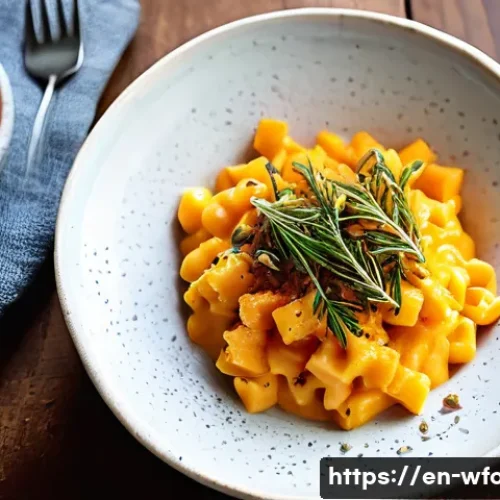
| Mac and Cheese | Adding roasted butternut squash puree and smoked paprika | Smoky, sweet depth | Creamier with slight earthiness | Increased fiber and vitamins |
| Caesar Salad | Replacing croutons with toasted chickpeas and adding avocado | Crunchy, nutty, and creamy | More varied bite | More protein and healthy fats |
| Beef Stew | Incorporating dark chocolate and cinnamon | Rich, subtly spicy complexity | Velvety sauce texture | Antioxidants from chocolate |
| Spaghetti Bolognese | Using lentils and mushrooms instead of ground beef | Earthy, hearty flavor | Chunky yet tender | Lower fat, higher fiber |
| Chocolate Chip Cookies | Adding sea salt flakes and espresso powder | Enhanced sweetness with a bitter edge | Chewy with crispy edges | Reduced sugar perception |
Closing Thoughts
Reimagining familiar dishes opens up endless opportunities to delight your palate and inspire creativity in the kitchen. By exploring new flavor combinations, textures, and presentation styles, you can transform everyday meals into memorable experiences. Embracing experimentation not only enhances taste but also nurtures a deeper connection with food. Ultimately, cooking becomes an exciting journey of discovery rather than a routine task.
Useful Information to Keep in Mind
1. Experimenting with unexpected ingredient pairings can awaken your taste buds and elevate classic recipes effortlessly.
2. Balancing sweet, savory, and umami elements creates depth and complexity that makes dishes more satisfying.
3. Adapting recipes for dietary preferences ensures everyone can enjoy flavorful meals without compromise.
4. Incorporating contrasting textures and temperatures adds excitement and a refined eating experience.
5. Using global spices and techniques broadens culinary horizons and fosters creativity in your cooking.
Key Takeaways for Successful Recipe Reinvention
To reinvent recipes effectively, focus on maintaining flavor integrity while introducing fresh elements that surprise and delight. Prioritize balance by blending tastes and textures thoughtfully, and don’t shy away from using modern cooking methods to enhance results. Adaptability is essential—whether accommodating dietary needs or local ingredient availability—and presentation plays a vital role in elevating the overall dining experience. Remember, the goal is to make cooking enjoyable, nourishing, and inspiring for both you and those you share meals with.
Frequently Asked Questions (FAQ) 📖
Q: How can I start experimenting with creative twists on classic recipes without feeling overwhelmed?
A: Begin by choosing one familiar recipe you love and think about small changes you can make, like swapping a traditional ingredient for a seasonal vegetable or adding a unique spice blend.
For example, if you usually make spaghetti with marinara, try incorporating roasted garlic or sun-dried tomatoes for a flavor boost. Starting small helps you build confidence and discover what flavors excite your palate without the pressure of reinventing the entire dish at once.
Q: What are some ways to adapt classic recipes to accommodate modern dietary needs?
A: Many traditional recipes can be made healthier or more inclusive by using alternatives like plant-based proteins, gluten-free flours, or dairy-free substitutes.
For instance, swapping ground beef for lentils in a shepherd’s pie or using cauliflower crust instead of traditional dough can retain the essence of the dish while catering to vegetarian or gluten-sensitive diets.
I’ve found that experimenting with these swaps not only meets dietary needs but often introduces surprising new textures and flavors that keep meals exciting.
Q: How does reinventing traditional recipes encourage mindful eating and cultural appreciation?
A: When you take the time to explore and adapt classic dishes, you become more engaged with the ingredients and cooking process, which naturally fosters mindfulness.
It also opens the door to learning about the origins and cultural significance of those recipes, deepening your respect for different culinary traditions.
From my experience, this thoughtful approach makes mealtime more meaningful and enjoyable, turning everyday eating into a moment of connection and discovery.