Dressing styles have always been more than just fabric and fashion—they tell stories about our history, culture, and identity. From ancient garments to modern trends, clothing reflects societal values, technological advances, and even political shifts.
Exploring how attire has evolved offers fascinating insights into human creativity and cultural exchange. It’s incredible to see how traditions influence what we wear today, blending the past and present in everyday life.
Let’s dive deeper and uncover the rich history and cultural significance behind our clothes in the following article. Get ready to discover the surprising tales woven into every thread!
The Language of Fabric: How Clothing Communicates Without Words
Symbolism Embedded in Everyday Wear
Clothing often acts as a silent messenger. Take, for example, the color red—it can symbolize passion, power, or even danger, depending on the culture and context.
Wearing a tailored suit at a business meeting sends signals of professionalism and authority, while casual wear might communicate approachability and creativity.
Over time, these nonverbal cues have become so ingrained that we rarely stop to think about what our clothes say about us. Personally, I’ve noticed how switching from jeans to a blazer instantly changes the way people interact with me, almost like stepping into a different role.
This subtle language of fabric and style shapes first impressions and ongoing social dynamics in ways we often overlook.
Clothing as a Marker of Social Status
Historically, what someone wore was one of the clearest indicators of their social standing. Think of the sumptuary laws in medieval Europe, which dictated who could wear certain fabrics or colors.
Today, while laws may not enforce dress codes tied to class, brand names and fashion trends subtly reinforce social hierarchies. Luxury labels, designer sneakers, and limited-edition pieces serve as modern status symbols.
From my experience attending fashion events, it’s clear that these markers create unspoken boundaries, influencing everything from networking opportunities to social circles.
The evolution of this dynamic reveals how deeply intertwined clothing remains with societal structures.
Fashion as a Form of Personal Expression
Beyond social signals, clothing offers an intimate canvas for self-expression. Some people experiment with bold patterns or eclectic mixes to showcase their creativity, while others opt for minimalist, timeless pieces that reflect their personality.
I’ve found that altering my style during different phases of life mirrors my internal growth—what I wear today often reflects my mood and aspirations.
This personal storytelling through attire allows for a fluid identity, where fashion becomes a tool for both discovery and communication. It’s fascinating how even subtle choices—like a favorite scarf or a vintage jacket—can carry deep personal meaning and spark connections with others who share similar tastes.
Threads of Innovation: How Technology Shapes What We Wear
From Handwoven to High-Tech Fabrics
The journey of fabric production is a testament to human ingenuity. Early textiles were painstakingly handwoven, requiring hours of labor for a single garment.
Fast forward to today, and we have smart fabrics that regulate temperature, resist stains, or even change color with a touch. I remember trying on a jacket embedded with heating elements on a winter trip—feeling that warmth was a game-changer.
These advancements not only enhance comfort but also open new possibilities for fashion design and functionality, making clothing more adaptive to our lifestyles.
Sustainable Innovations in Textile Manufacturing
Sustainability has become a buzzword in fashion, but it’s more than just a trend—it’s a necessary shift. Innovations like recycled fibers, waterless dyeing technologies, and biodegradable materials are transforming how garments are made.
Brands are increasingly transparent about their supply chains, responding to consumer demand for ethical production. Personally, I’m drawn to brands that prioritize eco-friendly fabrics, knowing that each purchase can contribute to reducing environmental impact.
These innovations demonstrate how technology can marry style with responsibility, setting a hopeful path for the industry’s future.
Wearable Tech Blurring Fashion and Function
Smartwatches and fitness trackers are just the beginning. Wearable tech now extends to garments that monitor health metrics or provide augmented reality experiences.
At a recent tech expo, I saw a dress equipped with LED lights that changed patterns based on mood sensors—a dazzling blend of art and technology. This fusion challenges traditional ideas about clothing, turning garments into interactive devices that respond to our bodies and surroundings.
It’s exciting to imagine how this will evolve, potentially revolutionizing how we think about and use our wardrobes.
Global Inspirations: How Cultures Influence Modern Fashion
Traditional Motifs in Contemporary Design
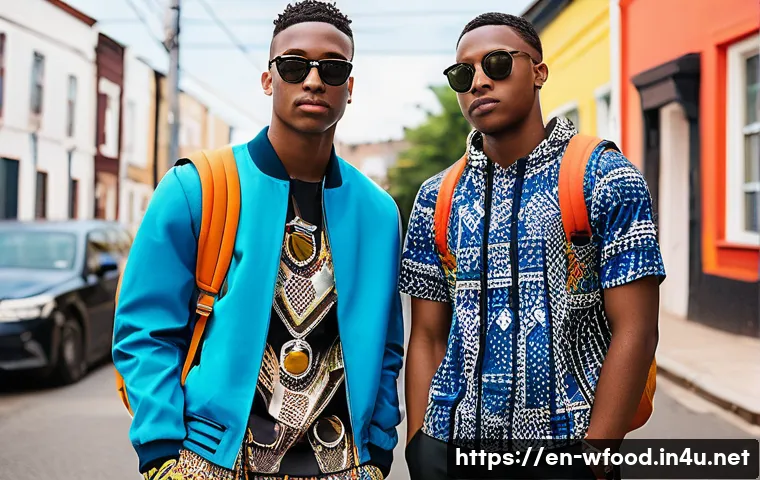
Many designers draw inspiration from cultural heritage, incorporating traditional patterns, embroidery, and silhouettes into modern collections. For instance, Japanese kimono elements have influenced minimalist cuts, while African prints have become staples in vibrant streetwear.
I’ve always admired how these cultural nods bring depth and storytelling to fashion, connecting wearers to global histories. Wearing such pieces feels like joining a larger narrative, celebrating diversity and craftsmanship that transcends borders.
The Role of Cultural Exchange in Fashion Evolution
Fashion thrives on the blend of ideas from different cultures. Historical trade routes facilitated the exchange of textiles and styles, and today’s global connectivity accelerates this process.
Trends spread rapidly, mixing influences from Paris runways to Seoul street fashion. During my travels, I’ve noticed how local styles adapt foreign elements, creating unique hybrids that reflect both global and regional identities.
This ongoing cultural dialogue fuels creativity and keeps fashion dynamic, constantly renewing itself through shared inspiration.
Respectful Adaptation Versus Cultural Appropriation
While cultural borrowing enriches fashion, it also raises important questions about respect and authenticity. Appropriation occurs when elements are taken out of context or used insensitively, often ignoring their significance.
I recall a heated debate over a fashion show that featured indigenous designs without acknowledgment, sparking calls for greater cultural sensitivity.
Navigating this balance requires awareness and dialogue, ensuring that cultural influences are honored rather than exploited. This conversation highlights fashion’s power not only as art but also as a platform for ethical engagement.
The Social Impact of Clothing Choices
Fashion as a Tool for Empowerment
Clothing can boost confidence and serve as a form of empowerment. For example, power suits have become symbols of strength in professional settings, especially for women breaking into traditionally male-dominated industries.
I’ve personally felt the difference when dressing intentionally for important events—it’s like armor that shapes mindset and performance. Moreover, movements like body positivity have influenced inclusive sizing and styles that celebrate all shapes, reinforcing the idea that fashion should uplift rather than restrict.

Clothing and Political Statements
From protest T-shirts to symbolic colors, fashion has long been a vehicle for political expression. Wearing certain items can signal allegiance to causes or challenge societal norms.
I remember attending a rally where people’s clothing choices were as loud and clear as their chants, each outfit telling a story of resistance or solidarity.
These sartorial statements create visible communities and foster dialogue, proving that clothes can be powerful tools beyond aesthetics.
The Psychological Effects of Dressing Well
The way we dress affects not only how others perceive us but also how we see ourselves. Psychologists call this “enclothed cognition,” where clothing influences mood and behavior.
From experience, putting effort into my outfit often leads to increased productivity and a positive outlook. This connection underscores the intimate relationship between attire and mental state, suggesting that dressing well is a form of self-care that impacts daily life in subtle but meaningful ways.
Fashion’s Ever-Changing Landscape: Trends and Timelessness
The Cycle of Trends and Nostalgia
Fashion trends move in cycles, often reviving styles from past decades with a modern twist. Currently, we see ’90s and early 2000s aesthetics making a comeback, from bucket hats to oversized denim.
I find it fascinating how nostalgia fuels these revivals, blending memories with contemporary innovation. This cyclical nature keeps fashion fresh but also connects us to previous generations, creating a shared visual history.
Balancing Fast Fashion and Longevity
The rise of fast fashion has made trendy clothing accessible but also raised concerns about quality and sustainability. Personally, I’ve shifted towards investing in timeless pieces that last beyond fleeting trends, appreciating the craftsmanship and environmental benefits.
This balance between staying current and valuing longevity reflects a growing awareness in the fashion community, encouraging mindful consumption without sacrificing style.
Personal Style Versus Mass Appeal
While trends dominate headlines, personal style remains an individual expression that resists homogenization. I’ve noticed that embracing my unique taste, even if it diverges from mainstream fashion, brings a sense of authenticity and joy.
This tension between mass appeal and individuality fuels the fashion world’s diversity, reminding us that clothes are ultimately about personal stories, not just collective trends.
Clothing and Identity in a Digital Age
The Rise of Virtual Fashion
As our lives increasingly move online, virtual fashion has emerged as a new frontier. Digital garments allow people to express themselves in virtual spaces without physical constraints.
I recently experimented with customizing an avatar’s wardrobe in a popular game—it felt liberating to play with styles that might be impractical in real life.
This trend suggests a future where identity and fashion intersect beyond the physical world, expanding possibilities for creativity and self-representation.
Social Media’s Influence on Fashion Choices
Platforms like Instagram and TikTok have transformed how trends spread and how people curate their looks. Influencers and everyday users alike share outfits that inspire millions, accelerating fashion cycles.
From my observation, this democratization of style encourages experimentation but also creates pressure to constantly update wardrobes. Navigating this space means balancing inspiration with personal comfort, ensuring that fashion remains a source of joy rather than stress.
The Blurring Lines Between Consumer and Creator
Today’s fashion landscape empowers consumers to become creators through customization, DIY projects, and upcycling. I’ve found joy in reworking thrifted clothes into something uniquely mine, blending sustainability with creativity.
This shift challenges traditional fashion hierarchies, fostering a community where everyone can contribute to style evolution. It’s exciting to see how this participatory culture redefines what it means to engage with fashion in the 21st century.
| Aspect | Historical Context | Modern Equivalent | Impact |
|---|---|---|---|
| Social Status Indicator | Sumptuary laws restricting fabric and color | Luxury brands and designer labels | Defines social boundaries and identity |
| Technological Innovation | Handwoven textiles | Smart fabrics and wearable tech | Enhances comfort and functionality |
| Cultural Influence | Traditional patterns and motifs | Global fusion fashion trends | Promotes diversity and storytelling |
| Political Expression | Protest garments and symbolic colors | Cause-related apparel and digital activism | Amplifies social and political messages |
| Personal Expression | Custom tailoring and unique styles | DIY fashion and social media curation | Encourages individuality and creativity |
글을 마치며
Clothing is far more than just fabric stitched together—it’s a powerful form of communication that reveals our identity, culture, and values without uttering a word. From social status to personal expression and technological innovation, the way we dress shapes how we interact with the world and how the world perceives us. Embracing this language of fabric enriches our understanding of both fashion and ourselves. As trends evolve, so does the meaning woven into every thread we wear.
알아두면 쓸모 있는 정보
1. Colors in clothing carry deep cultural meanings that can influence first impressions and social interactions.
2. Luxury brands and designer labels continue to serve as modern indicators of social status, much like historical dress codes.
3. Technological advances in fabrics, such as smart textiles and wearable tech, are transforming comfort and functionality in fashion.
4. Fashion is a dynamic blend of cultural heritage and global influences, requiring mindful respect to avoid cultural appropriation.
5. Dressing well impacts psychological wellbeing through “enclothed cognition,” boosting confidence and productivity.
중요 사항 정리
Clothing functions as a silent language that conveys messages about who we are, our social position, and our beliefs. Understanding the symbolism behind fashion choices helps us navigate social dynamics more effectively. The fusion of technology and sustainability in apparel is shaping the future of the industry, while cultural influences demand careful appreciation to maintain authenticity. Ultimately, fashion empowers individuals to express identity and values, making mindful clothing choices both a personal and social responsibility.
Frequently Asked Questions (FAQ) 📖
Q: How does clothing reflect cultural identity and history?
A: Clothing serves as a visual language that communicates a community’s heritage, values, and social norms. For example, traditional garments often incorporate specific patterns, colors, or materials unique to a culture, telling stories about the people’s origins and beliefs.
Throughout history, attire has marked social status, gender roles, and even political allegiances. When we wear these styles today, we’re not just dressing ourselves—we’re connecting with generations before us and expressing our place within a cultural narrative.
Q: In what ways have technological advances influenced fashion over time?
A: Technological innovations have dramatically transformed how clothes are made, worn, and perceived. The invention of the sewing machine, synthetic fabrics, and digital printing, for instance, expanded design possibilities and made fashion more accessible to the masses.
Even now, smart textiles and sustainable materials are reshaping the industry. From my own experience, seeing how fast fashion rose with industrial advances made me realize how technology doesn’t just change style—it changes the entire relationship we have with clothing.
Q: Why is it important to understand the cultural significance behind our clothing choices today?
A: Understanding the roots and meanings behind what we wear enriches our appreciation for fashion beyond aesthetics. It fosters respect for diverse traditions and helps avoid cultural appropriation by recognizing the origins and significance of certain garments.
Personally, learning about these stories has made me more mindful about supporting ethical brands that honor cultural heritage. Plus, it’s fascinating to realize that every outfit we choose is part of a larger story connecting past and present in our daily lives.