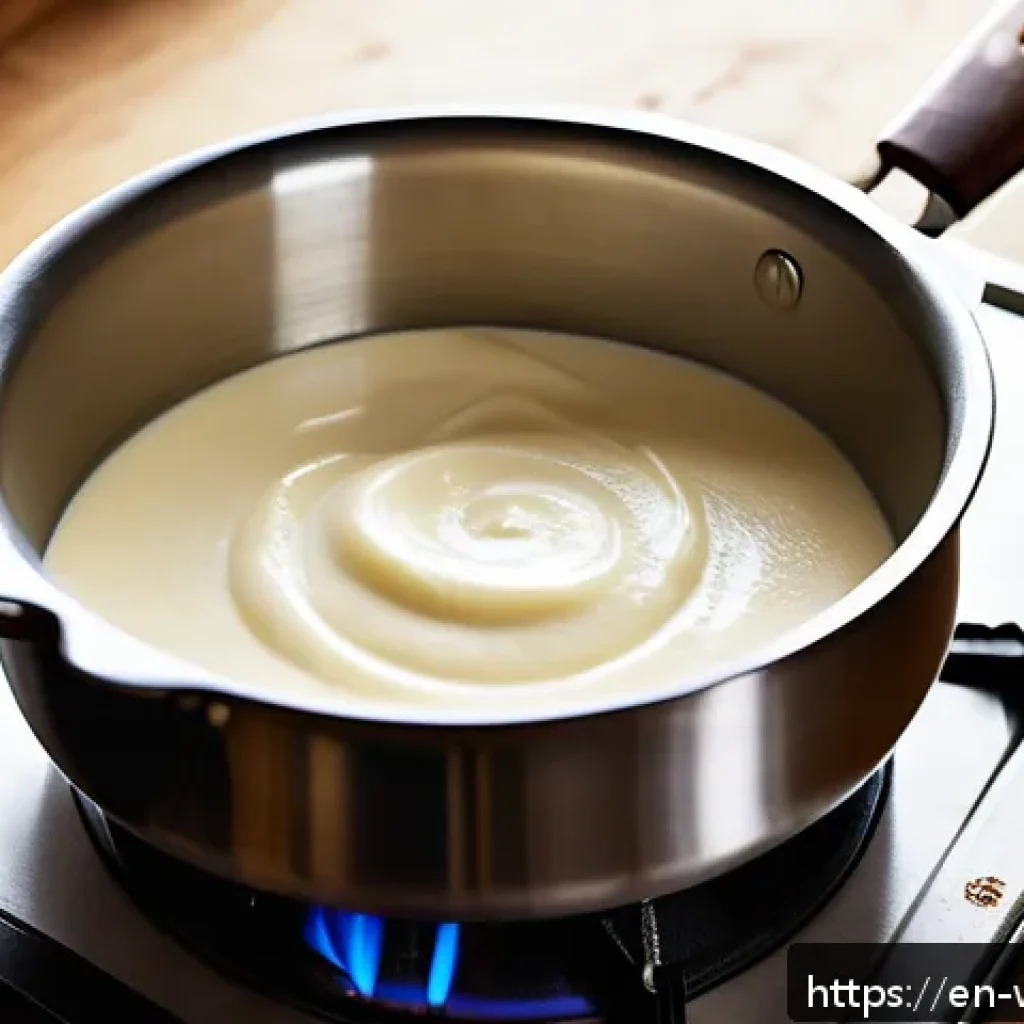
Lately, food enthusiasts everywhere are diving deeper into the art of sauces, discovering how the right base can completely elevate a dish. Whether you’re cooking at home or experimenting in the kitchen, understanding sauce foundations unlocks a new level of flavor complexity.
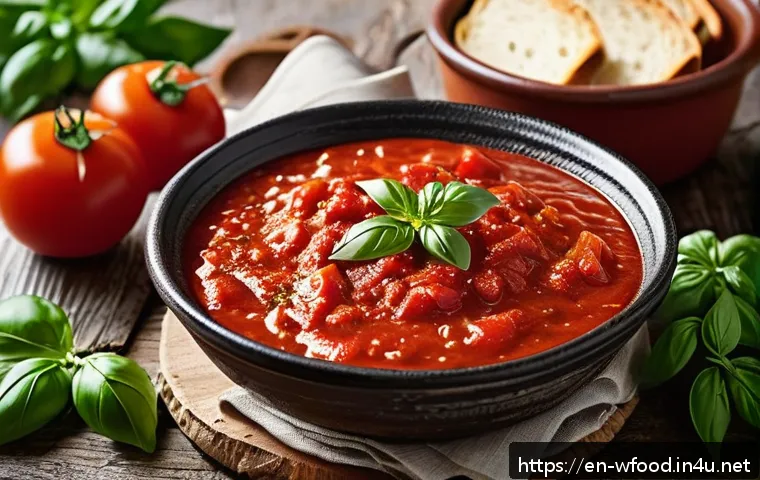
From creamy to tangy, each base offers a unique twist that can transform even the simplest ingredients into a culinary masterpiece. If you’ve ever wondered why some dishes taste unforgettable while others fall flat, the secret often lies in the sauce.
Let’s explore how different sauce bases can reshape your cooking game and bring exciting new dimensions to your meals. Ready to spice up your kitchen creativity?
Keep reading!
Unlocking the Magic Behind Classic and Modern Sauce Bases
Discovering the Heart of Creamy Sauces
When you dive into creamy sauces, you’re stepping into a world where texture and richness reign supreme. Cream-based sauces like béchamel or Alfredo start with a simple roux—a blend of butter and flour—that’s gradually transformed by milk or cream.
The beauty here lies in how this velvety foundation clings perfectly to pasta, vegetables, or chicken, making every bite luxurious. I remember the first time I whisked together a béchamel from scratch; the silky smoothness instantly elevated my dish, and it felt like unlocking a secret culinary weapon.
Creamy sauces also offer incredible versatility—you can add cheese, herbs, or spices to customize flavors without losing that luscious texture that makes comfort food so irresistible.
The Tangy and Vibrant World of Tomato-Based Sauces
Tomato sauces are the soul of countless dishes, from Italian classics to spicy Mexican fare. What makes tomato sauce so compelling is its balance of acidity and sweetness, which acts like a flavor amplifier for everything it touches.
I’ve found that slow-cooking fresh tomatoes with garlic, onions, and a splash of wine deepens the complexity in a way canned versions just can’t match.
The acidity cuts through rich meats and cheeses, making it a perfect partner for heavier dishes, yet it’s light enough to brighten vegetable plates too.
Plus, tomato sauces are a fantastic canvas—you can tweak herbs and spices to create anything from a smoky chipotle sauce to a sweet basil marinara.
Exploring the Boldness of Emulsified Sauces
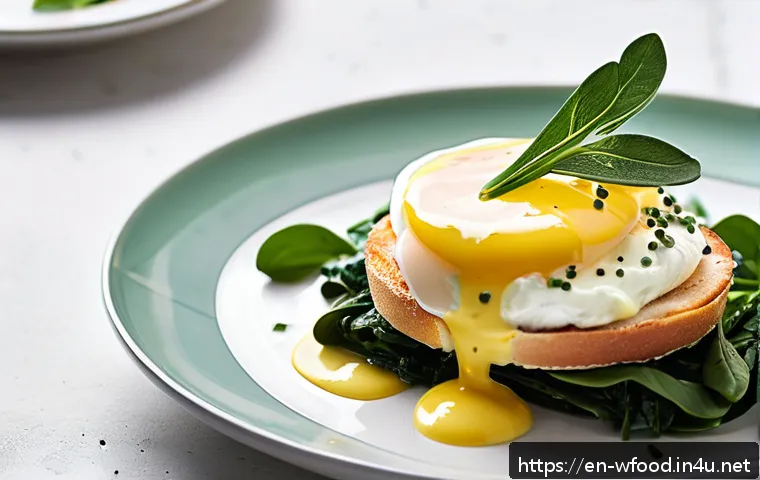
Emulsified sauces, such as hollandaise or mayonnaise, are a game changer for adding richness without heaviness. These sauces are all about chemistry—combining oil or butter with egg yolks to create a stable, creamy mixture that feels indulgent but light.
Making hollandaise at home can be a bit nerve-wracking at first because temperature control is key, but once you get the hang of it, it’s incredibly rewarding.
The tang of lemon juice or vinegar in these sauces adds brightness that cuts through buttery flavors, making them excellent for dishes like eggs Benedict or grilled vegetables.
Plus, emulsified sauces invite endless creativity by swapping out citrus or adding fresh herbs for unique twists.
How Acidic and Vinegar-Based Sauces Transform Your Palate
The Power of Vinegar in Balancing Flavors
Vinegar-based sauces may seem simple, but their impact is profound. The sharp acidity acts as a flavor reset, cutting through fatty or salty foods to keep your palate refreshed.
I’ve often used a quick vinaigrette made from apple cider vinegar, olive oil, and a touch of honey to brighten up heavy salads or roasted veggies, and it completely changes the eating experience.
These sauces also encourage balance; a splash can turn an otherwise dull dish into something lively and complex. Different vinegars—from balsamic to rice vinegar—bring distinct profiles, making this category incredibly diverse and essential in global cuisines.
Exploring Mustard and Other Pungent Ingredients
Mustard-based sauces are a fantastic way to introduce a spicy, tangy kick without overpowering the dish. Dijon or whole grain mustard blends beautifully with vinegar and honey to create dressings or glazes that add depth and excitement.
I remember experimenting with a mustard vinaigrette for grilled salmon, and the bright, sharp notes elevated the fish’s natural flavors perfectly. Beyond mustard, ingredients like horseradish or wasabi can be integrated into vinegar-based sauces for unique heat and aroma, opening doors to Asian and European flavor worlds.
Using Citrus to Add Freshness and Zing
Citrus-based sauces bring a fresh, zesty burst that brightens any meal. Lemon, lime, and orange juices mixed with herbs and oils can create anything from light dressings to tangy marinades.
In my experience, a squeeze of fresh lemon juice combined with garlic and olive oil instantly revitalizes grilled chicken or steamed fish, making dishes feel lighter and more vibrant.
Citrus acidity also helps tenderize proteins, which is a bonus if you’re looking to boost texture as well as flavor. Plus, the aroma of fresh citrus peel adds an extra sensory layer that’s hard to beat.
Elevating Meals with Nutty and Umami-Rich Sauce Foundations
The Depth of Nut Butter-Based Sauces
Nut-based sauces, like those made with peanut or tahini, introduce a creamy, earthy richness that’s both satisfying and unexpected. I first discovered tahini sauce as a drizzle on roasted vegetables, and it instantly added a complex, slightly bitter note that balanced the natural sweetness of the veggies beautifully.
These sauces are incredibly versatile—they can be sweetened with honey, spiced with chili, or brightened with lemon juice, making them great for everything from salads to grilled meats.
The healthy fats in nuts also mean these sauces add richness without heaviness, which is a win-win in my book.
Harnessing the Umami Boost from Fermented Ingredients
Umami-rich sauces tap into fermented ingredients like soy sauce, miso, or fish sauce, giving dishes an intense savory depth that’s hard to replicate. When I started incorporating miso-based sauces into my cooking, I noticed how even simple steamed greens or grilled tofu took on a whole new level of flavor.
These sauces work wonders as marinades or dipping sauces, and their salty, earthy qualities help round out dishes that might otherwise feel one-dimensional.
The fermentation process also means you get beneficial probiotics, adding a health angle to the flavor punch.
Pairing Nuts and Umami for Complex Sauces
Combining nut butters with umami elements creates sauces that are layered and intriguing. For example, a peanut sauce with soy and lime juice is a staple in Southeast Asian cooking and delivers sweet, salty, tangy, and creamy notes all at once.
I’ve made this sauce as a dip for spring rolls or tossed it with noodles for a quick dinner that feels gourmet but requires minimal effort. Balancing these components allows you to tailor sauces to your taste, whether you want more heat, sweetness, or acidity.
Understanding the Role of Broth and Stock in Sauce Making
Using Broth as a Flavor Backbone
Broth-based sauces often get overlooked, but they are foundational in adding moisture and subtle flavor complexity. A rich chicken or vegetable stock can be reduced and combined with herbs and aromatics to create a light yet flavorful sauce that enhances rather than overwhelms the main ingredient.
I’ve found that finishing pan sauces with a splash of broth adds a delicate body that ties everything together, especially when cooking lean proteins like fish or poultry.
The key is simmering gently to concentrate flavors without losing that clean, savory essence.
Incorporating Wine and Spirits for Depth
Adding wine or spirits to broth-based sauces introduces another layer of sophistication. Red wine reductions, for example, bring tannins and fruity notes that complement red meats beautifully, while white wine or sherry can brighten chicken or seafood sauces.
I remember making a pan sauce with a splash of dry white wine and shallots for seared scallops, and the result was an elegant balance of acidity and sweetness that felt restaurant-worthy.
The alcohol cooks off during reduction, leaving behind nuanced flavors that deepen the sauce’s character.
Balancing Thickness and Texture
Broth-based sauces can be thin by nature, so thickening agents like cornstarch or beurre manié (a flour and butter paste) are often used to achieve the desired consistency.
This step is crucial because a sauce that’s too watery won’t cling to the food, while one that’s too thick can feel heavy. From personal experience, adding a small slurry of cornstarch near the end of cooking and stirring constantly is a simple way to get that perfect silky texture without overdoing it.
This balance elevates the eating experience, ensuring every bite is coated just right.
How Herb and Spice Infusions Revolutionize Sauces
The Subtle Art of Herb-Driven Sauces
Fresh herbs can completely transform a sauce, introducing brightness, earthiness, or even a peppery kick depending on your choice. Basil, parsley, tarragon, and cilantro each bring unique qualities that pair differently with sauce bases.
For example, a basil pesto combined with a creamy béchamel makes for an irresistible Italian-inspired sauce. I’ve often added chopped fresh herbs at the last minute to vinaigrettes or pan sauces to maintain their vibrant flavor and aroma, and it always feels like a final flourish that brings the dish to life.
Spices as Flavor Game Changers
Spices can turn a simple sauce into a flavor powerhouse by adding warmth, heat, or smokiness. Cumin, paprika, coriander, and turmeric are some of my favorites to experiment with, especially in tomato or cream-based sauces.
A pinch of smoked paprika in a tomato sauce, for instance, adds an unexpected depth that pairs beautifully with grilled meats or roasted vegetables. What’s fun is that spices allow you to tweak familiar sauces into new cultural expressions, so you’re never stuck in a flavor rut.
Combining Herbs and Spices for Signature Sauces
The real magic happens when you blend herbs and spices thoughtfully. For example, a curry sauce often balances turmeric, cumin, coriander, and fresh cilantro to create a complex, layered profile.
I’ve created my own signature sauces by trial and error, mixing herbs and spices based on what I have on hand and what I’m craving, which keeps cooking exciting and personalized.
This approach not only enhances flavor but also invites creativity, making every meal an opportunity to explore new taste territories.
| Sauce Base | Main Ingredients | Key Characteristics | Typical Uses |
|---|---|---|---|
| Cream-Based | Butter, flour, milk/cream | Rich, velvety, smooth texture | Pasta, chicken, vegetables |
| Tomato-Based | Tomatoes, garlic, onions, herbs | Tangy, acidic, slightly sweet | Pasta, meats, vegetables |
| Emulsified | Egg yolks, butter/oil, acid (lemon/vinegar) | Creamy, light, tangy | Egg dishes, vegetables, seafood |
| Vinegar-Based | Various vinegars, oil, mustard, herbs | Sharp, bright, balancing | Salads, marinades, dips |
| Nut-Based | Peanut/tahini, lemon, spices | Earthy, creamy, rich | Salads, grilled meats, vegetables |
| Broth-Based | Chicken/vegetable stock, wine, herbs | Light, savory, versatile | Pan sauces, stews, proteins |
| Herb & Spice Infused | Fresh herbs, spices, oils | Bright, warm, aromatic | All sauce types, dressings, marinades |
Conclusion
Understanding the foundations of classic and modern sauce bases opens up endless possibilities in the kitchen. Each sauce type brings its own unique character, from creamy indulgence to bright acidity and rich umami. Experimenting with these bases allows you to elevate everyday meals into memorable culinary experiences. Whether you’re a beginner or a seasoned cook, mastering these sauces adds depth and versatility to your cooking repertoire.
Helpful Tips to Remember
1. Always start with quality ingredients; fresh herbs, good butter, and ripe tomatoes make a noticeable difference in sauce flavor.
2. Temperature control is crucial, especially for emulsified sauces like hollandaise, to avoid separation and achieve the perfect texture.
3. Don’t be afraid to personalize sauces by adjusting herbs, spices, and acidity to suit your taste and the dish you’re preparing.
4. Use broth or stock to add subtle flavor and moisture, but balance thickness carefully to avoid overly watery or heavy sauces.
5. Combining complementary elements like nuts and umami or herbs and spices can create complex, layered sauces that stand out.
Key Takeaways
Mastering sauce bases is about balancing flavors, textures, and techniques to enhance your dishes. Creamy sauces rely on a sturdy roux foundation, while tomato and vinegar-based sauces bring brightness and tang. Emulsified sauces require careful temperature management for stability. Nut and umami-rich sauces add depth and complexity, and broth-based sauces offer versatility with subtlety. Finally, infusing sauces with fresh herbs and spices transforms them into signature creations that reflect your personal style.
Frequently Asked Questions (FAQ) 📖
Q: What are the most common sauce bases I should start learning about?
A: The most popular sauce bases to begin with include tomato, béchamel (a creamy white sauce made from butter, flour, and milk), stock-based sauces, and emulsified sauces like vinaigrettes or mayonnaise.
Each base brings a different flavor profile and texture. For example, tomato-based sauces add acidity and sweetness, while béchamel provides a rich, velvety backdrop that’s perfect for comfort dishes.
Getting comfortable with these fundamentals opens up countless variations and combinations in your cooking.
Q: How can mastering sauce bases improve my everyday cooking?
A: When you understand sauce bases, you gain the power to enhance even simple dishes dramatically. A well-made sauce can balance flavors, add moisture, and introduce complexity.
For instance, a quick pan sauce made from drippings and stock can turn a basic grilled chicken into something restaurant-worthy. Personally, I’ve noticed that once I started experimenting with sauces, my meals not only tasted better but also looked more appealing, which made cooking more enjoyable and less of a chore.
Q: Are sauce bases difficult to learn for beginners?
A: Not at all! While some sauces might seem intimidating at first, starting with simple bases like vinaigrettes or tomato sauces is very approachable. The key is to practice and taste as you go.
I remember my first attempt at a béchamel sauce was a bit lumpy, but with a bit of patience and the right technique, it became smooth and luscious. Once you grasp the basic principles—like balancing heat and thickening agents—making sauces becomes second nature and even fun.