As the world becomes increasingly interconnected, the subtle yet striking differences between European and American design and culture continue to captivate curious minds.
Whether you’re redecorating your home, planning a trip, or simply intrigued by global trends, understanding these distinctions offers fresh perspectives.
Recent shifts in lifestyle and technology have only deepened these contrasts, making it the perfect time to explore what truly sets these styles apart.
Join me as we dive into the unique elements that define European elegance and American boldness, revealing insights that might just inspire your next creative endeavor.
Ready to uncover the secrets behind these fascinating worlds? Let’s get started!
The Art of Living: Subtle Contrasts in Everyday Spaces
Balancing Functionality and Flair
When stepping into a European home, you often feel the presence of history and craftsmanship woven into every corner. It’s not just about having a beautiful space, but also about how each piece serves a purpose with an understated elegance.
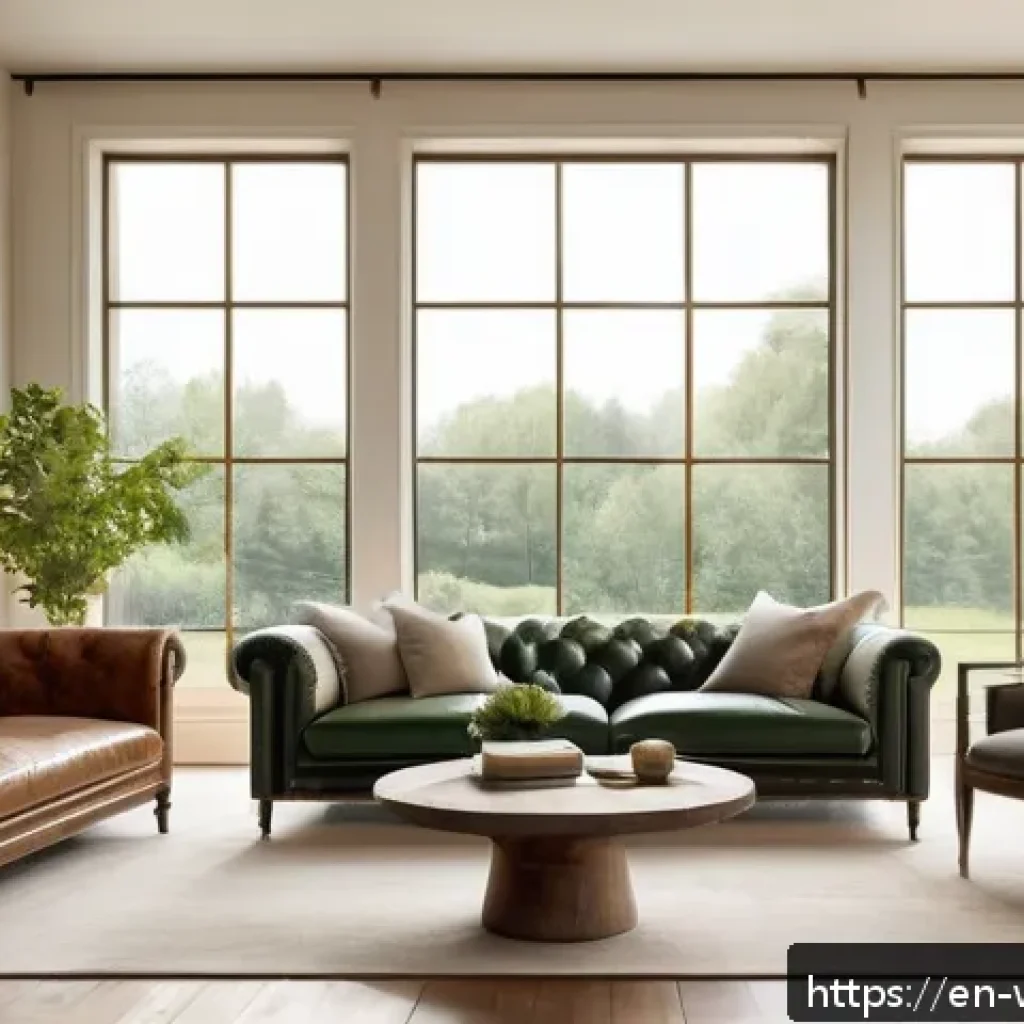
Europeans tend to prioritize quality over quantity, favoring timeless furniture that carries stories and character. On the other hand, American interiors often lean toward bold statements and open layouts designed for comfort and socializing.
It’s common to see expansive sofas, vibrant accent walls, and a mix of textures that shout personality. From my own experience visiting both continents, I’ve noticed Europeans are more inclined to keep their living areas curated and minimal, while Americans embrace a cozy, lived-in vibe that invites guests to linger.
The Role of Natural Light and Color Palettes
Natural light plays a starring role in shaping the ambiance on either side of the Atlantic. European homes often capitalize on muted, earthy tones that reflect the changing seasons, paired with large windows that frame the outside world like art.
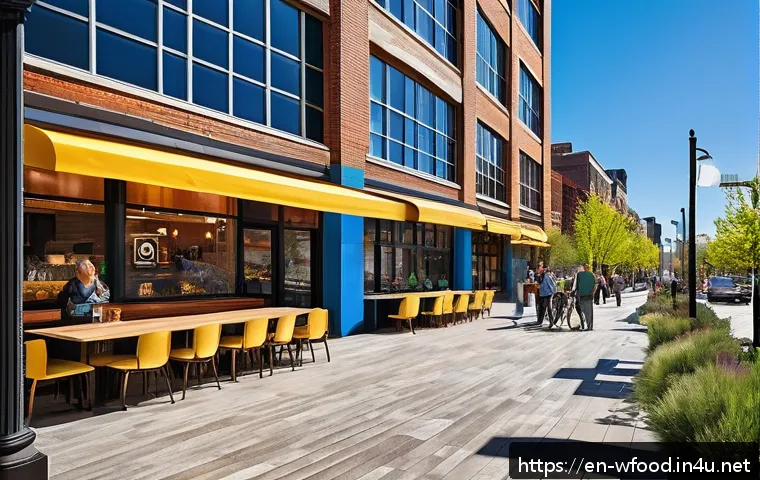
Soft grays, warm beiges, and deep greens create a soothing backdrop that feels connected to nature. In contrast, American homes frequently feature brighter, more saturated colors — think bold blues, sunny yellows, and crisp whites — designed to energize and uplift.
I’ve found that this difference mirrors cultural attitudes: Europeans often seek tranquility and subtle luxury, whereas Americans favor vibrancy and optimism in their living environments.
Material Choices That Tell a Story
Materials in European design tend to be authentic and tactile—think weathered wood, wrought iron, and natural stone. These elements offer a sense of permanence and craftsmanship that echoes centuries of tradition.
In America, there’s a stronger embrace of innovation mixed with tradition; engineered woods, polished metals, and plush textiles come together to create spaces that are both practical and stylish.
During a recent home renovation project, I personally opted for reclaimed wood accents inspired by European aesthetics, but paired them with sleek, metal fixtures popular in American design, achieving a unique blend that felt both grounded and modern.
Fashion Statements: Heritage Meets Innovation
Timeless Elegance vs. Trend-Driven Boldness
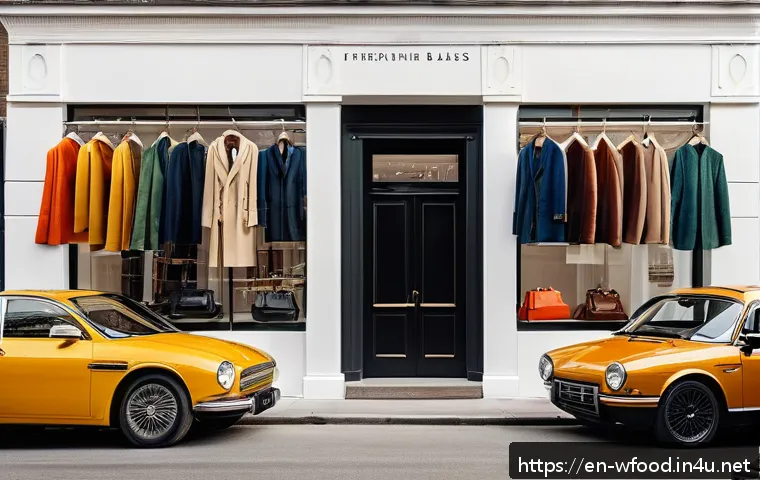
European fashion often embodies a quiet confidence rooted in heritage. Pieces are carefully selected for their craftsmanship and longevity, favoring classic cuts and neutral palettes that transcend seasons.
Think tailored blazers, silk scarves, and leather loafers that age beautifully. Meanwhile, American style tends to celebrate self-expression and bold experimentation.
Streetwear, athleisure, and statement accessories reflect a culture that embraces change and reinvention. From my observations at fashion weeks in Paris and New York, it’s clear that Europeans lean on refinement and subtlety, while Americans push boundaries with daring and playful ensembles.
Shopping Experiences and Consumer Mindset
Shopping in Europe often feels like a curated journey, where boutique stores emphasize personalized service and quality over quantity. Shoppers take their time, appreciating the craftsmanship behind each item.
Conversely, American retail is more fast-paced and convenience-driven, with a focus on accessibility and variety. From my visits to both continents, I’ve noticed Americans enjoy the thrill of discovery in large malls and outlet centers, whereas Europeans prefer local markets and artisan shops that offer unique finds with a story.
The Influence of Sustainability and Ethics
Sustainability has become a shared priority, but the approaches differ. European fashion brands often lead with transparency and eco-conscious materials, driven by regulatory frameworks and consumer demand for ethical production.
American brands are catching up, with many startups and established names investing heavily in sustainable practices, though fast fashion still holds significant market share.
Personally, I’ve witnessed how European shoppers tend to invest in fewer, higher-quality pieces, whereas American consumers are gradually shifting from quantity to mindful purchasing habits.
Dining Culture: Rituals and Social Dynamics
The Art of Slow Meals
In Europe, dining is often a ceremonial experience—long, leisurely meals enjoyed over multiple courses. There’s a strong emphasis on savoring flavors, sharing dishes, and engaging in conversation.
This approach reflects a cultural value placed on connection and tradition. In contrast, American dining culture frequently centers around convenience and efficiency, with a rise in casual dining, takeout, and fast food.
However, there is also a growing movement toward farm-to-table and gourmet experiences that echo European sensibilities. During a recent trip to Italy, I was struck by how meals could stretch for hours, while in the U.S., lunch breaks tend to be brief and functional.
Table Settings and Presentation
European table settings tend to be elegant yet restrained, with fine china, crystal glassware, and carefully folded linens that enhance the meal’s ambiance without overwhelming it.
Americans often favor a mix of formal and casual, with colorful plates and creative centerpieces that reflect the occasion’s mood. In my own hosting experiences, I’ve found that adopting some European table-setting principles adds a touch of sophistication, even for informal gatherings, while maintaining the warmth and friendliness characteristic of American hospitality.
Regional Specialties and Culinary Diversity
Europe’s culinary landscape is deeply regional, with distinct flavors, ingredients, and techniques that tell stories of geography and history. From French pastries to Spanish tapas, every dish carries a sense of place.
American cuisine, meanwhile, is a melting pot of global influences, blending traditions from immigrant communities with homegrown innovations. This diversity offers endless variety, from Southern barbecue to New England clam chowder.
As someone who loves to cook, I appreciate how exploring both traditions broadens my palate and inspires creativity in the kitchen.
Public Spaces: Design That Shapes Interaction
Urban Planning and Pedestrian-Friendly Design
European cities often prioritize walkability and public transit, featuring plazas, narrow streets, and green spaces that encourage community interaction.
This human-centered design fosters a slower pace and a stronger sense of neighborhood. American cities tend to be more car-centric, with wider roads, sprawling suburbs, and shopping centers designed for convenience.
Yet, many U.S. cities are now investing in revitalizing downtown areas to be more pedestrian-friendly. From my urban explorations, I find European cityscapes more inviting for spontaneous strolls, while American cities offer vast opportunities for exploration by car.
Architectural Styles and Heritage Preservation
Europe’s architectural landscape is a tapestry of centuries-old buildings, from Gothic cathedrals to Renaissance palaces, carefully preserved and integrated with modern life.
The American approach embraces innovation and diversity, with iconic skyscrapers alongside historic neighborhoods. Adaptive reuse is growing in popularity, turning old factories and warehouses into trendy lofts and cultural hubs.
During my visits, I’ve admired Europe’s dedication to conserving its architectural heritage, while also appreciating the dynamic skyline and experimental designs found in American cities.
Community Gathering Places
Public squares, parks, and cafes in Europe serve as vital social hubs where people gather to connect and relax. These spaces often have a timeless charm that invites leisurely enjoyment.
In the U.S., community centers, sports arenas, and shopping malls frequently act as social anchors. While different in scale and style, both cultures value spaces that foster belonging and activity.
I’ve noticed that European public spaces encourage more spontaneous interactions, whereas American venues often focus on planned events and entertainment.
Work-Life Integration: Approaches to Balance and Productivity
Work Culture and Daily Rhythms
European work culture generally emphasizes a clear separation between professional and personal life, with longer vacations, shorter workweeks, and a strong focus on well-being.
This balance supports creativity and reduces burnout. The American approach tends to be more fast-paced and ambitious, valuing long hours and productivity, though the rise of remote work is shifting this dynamic.
From my conversations with colleagues on both sides, I’ve sensed Europeans prioritize quality of life, while Americans often measure success by output and career progression.
Office Design and Remote Work Trends
European offices often feature open, collaborative spaces combined with quiet zones, reflecting a holistic approach to employee needs. There’s a growing emphasis on natural light, ergonomic furniture, and greenery.
American companies are pioneers in remote work technology and flexible schedules, leading to hybrid models that blend home and office life. Having experienced both environments, I find European offices foster calm focus, while American workplaces energize through dynamic collaboration and innovation.
Social Norms Around Work and Leisure
In Europe, taking breaks and enjoying leisure time is culturally ingrained, with many countries observing strict labor laws and encouraging downtime. Americans, while increasingly valuing work-life balance, often face social pressures to be constantly “on,” contributing to a hustle mentality.
Personally, embracing some European attitudes toward rest has improved my own productivity and mental health, highlighting the importance of cultural perspectives on work.
Entertainment and Media: Storytelling Across Borders
Film and Television Preferences
European cinema is known for its artistic depth, often focusing on character-driven stories and social commentary. Film festivals like Cannes celebrate this tradition.
American entertainment, meanwhile, dominates global markets with blockbuster productions, high-energy genres, and serialized TV shows designed for binge-watching.
Having enjoyed both, I appreciate how European films invite reflection, while American media provides thrilling escapism.
Music Scenes and Cultural Expression
Europe boasts a rich musical heritage from classical compositions to electronic dance music hubs like Berlin. Local festivals celebrate regional sounds and traditions.
In the U.S., diversity reigns, with genres like jazz, hip-hop, country, and pop shaping a vibrant and evolving scene. I’ve attended concerts in both places and noticed Europeans often embrace cultural roots, while Americans innovate by blending styles.
Digital Media Consumption Habits
Streaming platforms have unified global access, but consumption patterns differ. Europeans tend to favor quality content with subtitles and original language, supporting local productions.
Americans often prioritize fast-paced, English-language content with heavy social media integration. From my own media habits, I see a balance emerging as audiences worldwide seek both authenticity and entertainment value.
| Aspect | European Approach | American Approach |
|---|---|---|
| Interior Design | Timeless, quality-focused, minimal with natural materials | Bold, comfortable, eclectic with innovative materials |
| Fashion | Classic, heritage-driven, subtle elegance | Expressive, trend-forward, bold experimentation |
| Dining | Slow, ritualistic, regional specialties | Casual, convenience-oriented, diverse fusion |
| Urban Design | Walkable, historic preservation, community-centric | Car-dependent, modern innovation, event-focused |
| Work-Life | Balanced, well-being prioritized, structured breaks | Ambitious, productivity-driven, flexible remote work |
| Entertainment | Artistic, culturally rooted, reflective media | Blockbuster, diverse genres, fast-paced consumption |
In Conclusion
Exploring the subtle contrasts between European and American lifestyles reveals how culture shapes everything from design to daily routines. Each approach offers unique insights into balancing tradition with innovation. Whether through timeless elegance or bold expression, these differences enrich our understanding of living well. Embracing elements from both can inspire a more thoughtful and fulfilling way of life.
Helpful Information to Keep in Mind
1. European interiors favor quality craftsmanship and minimalism, while American spaces celebrate comfort and boldness.
2. Dining traditions reflect cultural values—Europeans enjoy slow, meaningful meals, whereas Americans prioritize convenience and variety.
3. Work-life balance in Europe emphasizes well-being and structured breaks; American work culture tends to focus on ambition and flexibility.
4. Public spaces in Europe encourage community interaction through walkability and preservation; American cities often center around car access and events.
5. Entertainment choices highlight Europe’s artistic depth and America’s fast-paced innovation, offering diverse experiences for all tastes.
Key Takeaways
Understanding the nuanced differences between European and American lifestyles helps us appreciate the diverse ways people create meaningful environments and routines. Quality and tradition often define European approaches, while American culture leans toward innovation and personal expression. Recognizing these contrasts encourages a more balanced perspective and opens doors to new ideas in design, work, and social life.
Frequently Asked Questions (FAQ) 📖
Q: What are the key differences between European and
A: merican design styles? A1: European design often emphasizes timeless elegance, craftsmanship, and a subtle use of colors and textures. It leans toward minimalist yet sophisticated aesthetics, with an appreciation for historical influences and artisanal details.
American design, on the other hand, tends to be bolder and more eclectic, mixing modern innovation with practicality. You’ll find vibrant color palettes, larger-scale furniture, and a focus on comfort and functionality.
From my experience, European spaces feel more curated and intentional, while American interiors embrace a lively, approachable vibe.
Q: How do cultural values influence lifestyle differences between Europe and the United States?
A: Cultural values play a huge role in shaping daily life. Europeans often prioritize work-life balance, community, and tradition, which reflects in their slower-paced, experience-focused lifestyle.
For example, long dinners and public festivals are common, reinforcing social bonds. Americans typically value individualism, innovation, and efficiency, leading to a faster-paced lifestyle centered around convenience and productivity.
From what I’ve observed, this contrast is clear in everything from dining habits to holiday celebrations, making each culture uniquely vibrant.
Q: How have recent lifestyle and technology shifts impacted European and
A: merican cultural trends? A3: The rise of digital technology and global connectivity has accelerated changes on both continents, but in distinct ways. In Europe, there’s been a renewed focus on sustainability, local craftsmanship, and preserving cultural heritage, often integrating tech to support these goals.
Meanwhile, American trends push toward smart home innovation, convenience-driven products, and bold design statements. Personally, I’ve noticed that Europeans tend to blend modern tech with tradition seamlessly, while Americans embrace technology as a way to redefine lifestyle and express individuality.
This divergence keeps both cultures exciting and dynamic.