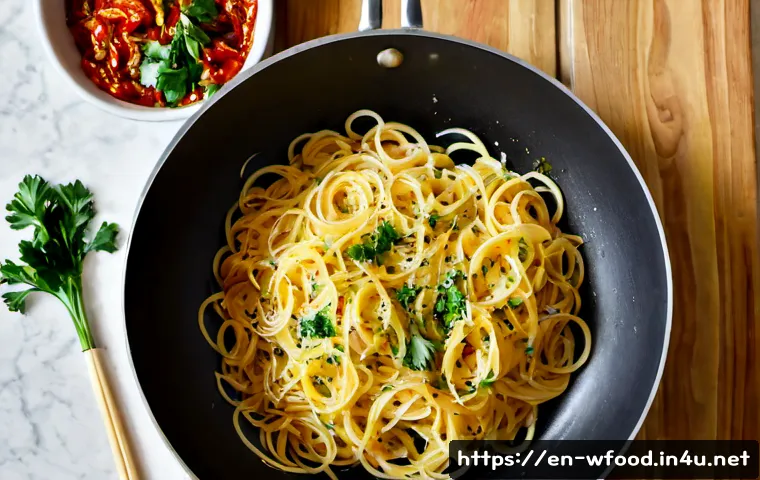
Aglio e olio is a fast Italian-style pasta made by tossing spaghetti with gently cooked garlic, olive oil, starchy pasta water, optional red pepper flakes, and fresh parsley.
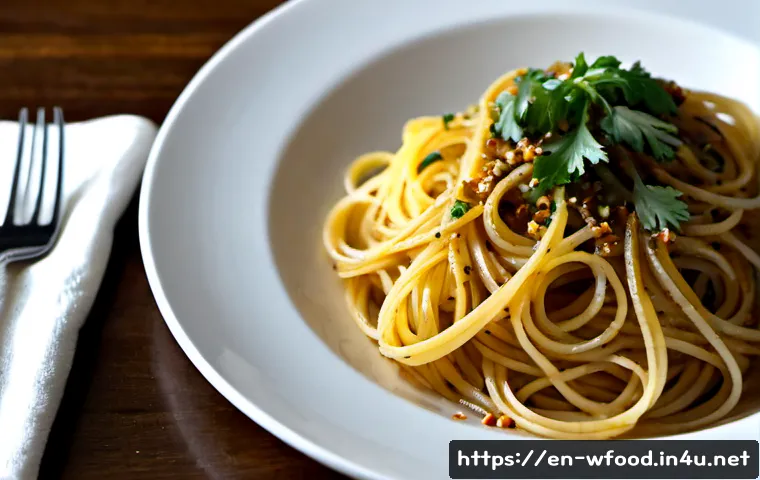
The key to a silky result is to combine the oil with reserved pasta water while tossing, rather than serving the pasta in plain oil. A mid-range extra-virgin olive oil is usually a sensible everyday choice, while a more flavorful finishing oil can stand out in such a minimalist dish.
Use spaghetti for an easy coating sauce, cook the garlic over gentle heat, and adjust chili to your preferred level. This simple method is approachable for beginners and flexible enough for solo dinners, family meals, or added protein.
At a Glance
- Build the dish around garlic, olive oil, pasta, pasta water, and parsley.
- Cook garlic gently; deeply browned or overheated garlic can taste bitter.
- Toss pasta with reserved starchy water to make the olive oil sauce feel cohesive rather than greasy.
| Decision Area | Budget-Friendly Choice | Everyday Choice | Flavor-Forward Choice |
|---|---|---|---|
| Olive oil | Regular olive oil for a mild base | Mid-range extra-virgin olive oil | Extra-virgin olive oil with a flavor you enjoy as a finishing touch |
| Pasta | Any reliable dried long pasta | Spaghetti for easy sauce coating | Linguine or another long noodle for a different bite |
| Cookware | Basic pot and skillet | Wide pan plus tongs for easier tossing | Roomy pan that lets pasta and sauce move freely |
The Quick Method for a Silky Garlic and Olive Oil Pasta
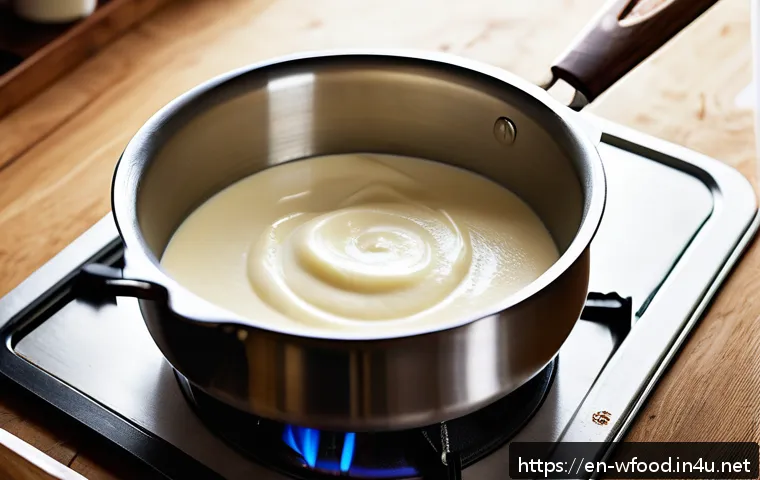
The basic method is simple: cook the pasta, gently warm sliced garlic in olive oil, then toss everything with reserved pasta water and parsley. The order matters because pasta water is most useful when it is added while the pasta and oil are being actively combined.
The Five Core Ingredients and What Each One Does
Spaghetti is a common choice because its long strands coat well in an oil-and-starchy-water sauce. Olive oil provides the main flavor and body. Garlic gives the dish its defining aroma. Pasta water contains starch that helps bring the oil and water together into a more cohesive sauce. Fresh parsley adds color and a fresher finish.
Red pepper flakes are optional. Add a small amount for mild warmth or more if you prefer a stronger chili flavor. Cheese is not necessary for a traditional minimalist version, though it can be used as a personal variation.
The Timing Sequence: Pasta First, Garlic Second, Sauce Last
Start the pasta first so the cooking water is available when the sauce needs it. While the pasta cooks, slice the garlic and warm it in olive oil over gentle heat. Avoid rushing this stage: garlic cooked at excessively high heat, or until deeply browned, may become bitter.
Before draining the pasta, reserve some cooking water. Move the pasta into the pan with the garlic oil, add pasta water gradually, and toss until the strands look coated. Finish with parsley and adjust the chili level if using it.
Three-Line Quick Answer for Weeknight Cooking
Cook spaghetti and reserve some of its water. Gently cook sliced garlic in olive oil with optional red pepper flakes. Toss the pasta with the garlic oil, pasta water, and parsley until the sauce clings to the noodles.
Ingredient Choices That Change the Flavor and Value
Because there are few ingredients, each one is noticeable. That does not mean every component must be premium. The best choice depends on your budget, how often you cook pasta, and whether you want a mild everyday dinner or a more expressive olive-oil-forward plate.
Extra-Virgin Olive Oil Versus Regular Olive Oil for Cooking
A regular olive oil can be a practical option when you want a mild flavor and are cooking frequently on a budget. A mid-range extra-virgin olive oil is often a useful middle ground for aglio e olio because olive oil is central to the finished taste.
A more characterful extra-virgin olive oil can make the biggest difference when used as a final drizzle or when the dish is served immediately. If you are comparing bottles, focus on the flavor you want in the finished pasta rather than assuming one label is right for every kitchen.
Dried Pasta Options: Spaghetti, Linguine, and Long Noodle Alternatives
Spaghetti is the familiar starting point and works well with the light sauce. Linguine and other long dried noodles can also work if you prefer a slightly different shape and texture. The main goal is not a single “correct” noodle; it is choosing a long pasta that you can toss evenly with oil and pasta water.
For convenience, keep a dried long pasta in the pantry. For a more deliberate meal, choose the shape you enjoy eating most and use a wide enough pan to mix it without breaking or compressing the noodles.
When Premium Garlic, Chili Flakes, or Fresh Herbs Are Worth the Extra Cost
Fresh parsley is worth prioritizing when you want contrast against the rich olive oil. Chili flakes are a simple way to customize heat, so choose them based on how often you use spice rather than buying more than your cooking routine supports. Garlic is the centerpiece: use cloves that are convenient to slice and smell fresh to you.
Premium ingredients make the most sense when you are serving a very simple version with few additions. If shrimp, chicken, vegetables, or beans will be part of the meal, an everyday ingredient selection may be a better value.
Step-by-Step Cooking Process and Common Mistakes
Silky aglio e olio comes from timing and tossing, not from adding more oil. Keep the garlic gentle, hold onto pasta water, and judge the sauce while the pasta is still hot.
How to Slice and Gently Cook Garlic Without Burning It
Slice the garlic so it can warm evenly in the oil. Use gentle heat and watch the color closely. The goal is fragrant garlic, not deeply browned garlic. If the pan seems too hot, reduce the heat before the garlic takes on a harsh flavor.
Red pepper flakes can be warmed with the garlic if desired. Since heat preference varies, begin cautiously and add more only when it suits your table.
How Much Pasta Water to Reserve and When to Add It
Reserve pasta water before draining; you want enough available to adjust the sauce as you toss. Add it gradually rather than all at once. The starch in the water can help the olive oil become more integrated with the pasta instead of pooling at the bottom of the pan.
If the pasta still looks dry, add another small splash and toss again. A wide skillet and pasta tongs make this step easier because they help keep every strand moving through the sauce.
Fixing a Sauce That Is Too Oily, Too Dry, Too Spicy, or Underseasoned
If the pasta looks too oily, toss longer with a little more pasta water. If it is too dry, add pasta water gradually and continue tossing. If it is too spicy, avoid adding more chili and balance the plate with more pasta or other mild additions.
If it tastes bland, check the pasta seasoning and the quality of the olive oil flavor before adding extra ingredients. Salt needs vary with the pasta brand, water volume, and individual dietary needs, so taste and adjust thoughtfully.
Adapt the Dish for Your Meal Plan
The same technique works for a small meal or a larger dinner. The important adjustment is giving the pasta enough room to toss with the oil and pasta water.
A Fast Single-Serving Version

For one person, use a small amount of garlic and olive oil, then build the sauce directly in a skillet. This is a good option when you want a quick dinner with minimal cleanup. Parsley and chili flakes can be adjusted at the end, so the meal stays flexible.
Scaling for a Family Dinner Without Losing Sauce Texture
For a family meal, use a pan large enough to hold the cooked pasta comfortably. Toss in batches if the pan feels crowded. Crowding can make it harder to distribute the garlic oil and pasta water evenly, which may leave some noodles oily and others dry.
Optional Additions: Shrimp, Chicken, Vegetables, or Beans
Shrimp, chicken, vegetables, and beans can turn aglio e olio into a more substantial meal. Treat them as additions rather than replacements for the core sauce method: cook the pasta, keep garlic gentle, reserve pasta water, and toss at the end. These options also make sense when you want to stretch the dish for more people.
Choosing Ingredients and Tools: Quick Comparison
Choose based on flavor priority, budget, and how often you cook pasta. A practical setup does not need to be elaborate, but the right olive oil, pasta, and pan can make the method easier to repeat.
Budget, Everyday, and Flavor-Forward Shopping Priorities
For a budget-focused kitchen, choose dependable dried pasta, basic cookware, and an olive oil you will actually use regularly. For an everyday upgrade, consider a mid-range extra-virgin olive oil and fresh parsley. For a flavor-forward dinner, reserve a more distinctive extra-virgin olive oil for finishing when its taste can be noticed clearly.
Pan Size, Tongs, and Pasta Pot Features That Make the Method Easier
A wide skillet gives pasta space to toss with oil and water. Tongs help lift and turn long noodles without relying on a heavy sauce. A pasta pot should simply be large enough to cook the noodles comfortably and provide cooking water to reserve for the sauce.
When comparing cookware, look at pan width, handle comfort, and whether the tool fits the amount of pasta you usually prepare. A large pan is useful for family portions; a compact skillet may be more practical for single servings.
A Practical Buying Checklist Before Upgrading Olive Oil or Cookware
Ask whether olive oil flavor is a main priority in your cooking, whether you make long pasta often, and whether your current pan leaves enough room for tossing. If you cook this dish occasionally, an everyday bottle and basic pot may be enough. If it is a regular dinner, a wide pan, reliable tongs, and an olive oil you enjoy can be useful upgrades.
Serving, Storing, and Reheating Leftovers
Aglio e olio is best served soon after tossing, when the sauce is still coating the noodles and the parsley looks fresh. If leftovers are necessary, handle cooked pasta carefully and follow applicable local food-safety guidance.
Best Serving Timing and Finishing Touches
Serve immediately after the pasta is glossy and evenly coated. Add parsley at the end for color and freshness. A final small amount of olive oil can be useful when you have chosen a finishing-quality bottle whose flavor you want to highlight.
Safe Storage Considerations for Cooked Pasta
Cooked pasta should be cooled and stored with attention to standard food-safety practices. Storage conditions and timing should be checked against reliable local guidance, especially when the dish includes shrimp, chicken, or other additions.
Reheating With Water and Olive Oil to Restore Texture
When reheating, use a little water and olive oil while gently warming the pasta. This can help loosen noodles that have absorbed the sauce. Add parsley after reheating when possible to keep its fresher character.
Selection Criteria and Comparison Summary
Choose a mid-range extra-virgin olive oil when you want dependable flavor without making the dish feel like a specialty purchase. Choose spaghetti when you want the most familiar, easy-to-toss format. Reserve pasta water before draining, use gentle heat for garlic, and select a pan with enough room to mix. Consider a finishing-quality olive oil only if its flavor is a priority in your cooking. Check product details, material information, and care instructions on the relevant product page before choosing cookware or pantry upgrades.
Conclusion
Aglio e olio succeeds because its few ingredients work together. Gentle garlic, olive oil you enjoy, and starchy pasta water are more important than complicated additions. Start with spaghetti and a basic pan, then upgrade ingredients or tools only when they match how you actually cook. The result can stay simple, affordable, and satisfying on a busy weeknight.
Useful Things to Know
Pasta water is an ingredient, not waste. Its starch helps the sauce coat the noodles. Red pepper flakes are optional and easy to adjust. Fresh parsley is commonly used for a bright finish. Cheese is a variation, not a requirement for a minimalist version.
Important Notes
There is no single definitive origin story or one universally agreed “authentic” recipe for aglio e olio; regional, family, and personal versions vary. Olive oil availability, quality, and pricing differ by location and season. Salt needs also vary, so taste the pasta and make adjustments based on your own ingredients and preferences.
Frequently Asked Questions
Q1. What is the best olive oil for aglio e olio on a reasonable budget?
A1. A mid-range extra-virgin olive oil is often a sensible choice because olive oil is a prominent flavor in the dish. If you cook pasta often and prefer a mild result, regular olive oil can also be practical. Choose based on the flavor you enjoy, your budget, and how frequently you will use the bottle.
Q2. Why does my garlic and olive oil pasta taste greasy instead of silky?
A2. The oil may not have been fully tossed with enough reserved pasta water. Add pasta water gradually and keep tossing while the pasta is hot. The starch in the water can help the oil form a more cohesive sauce rather than sitting separately on the noodles.
Q3. Is aglio e olio a good quick dinner for beginners, and what tools do I need?
A3. Yes. The ingredient list is short, and the main skills are cooking pasta, gently warming garlic, and tossing with pasta water. A pot, a wide skillet, and tongs are helpful, but basic cookware can work if it gives you enough room to combine the pasta and sauce.